What Is The Best Month To Cruise The Galapagos?
Month by month on the two variables a cruise passenger feels: swell in the western channels and water temperature on the snorkel stops.
 By Oleg Galeev, Editor
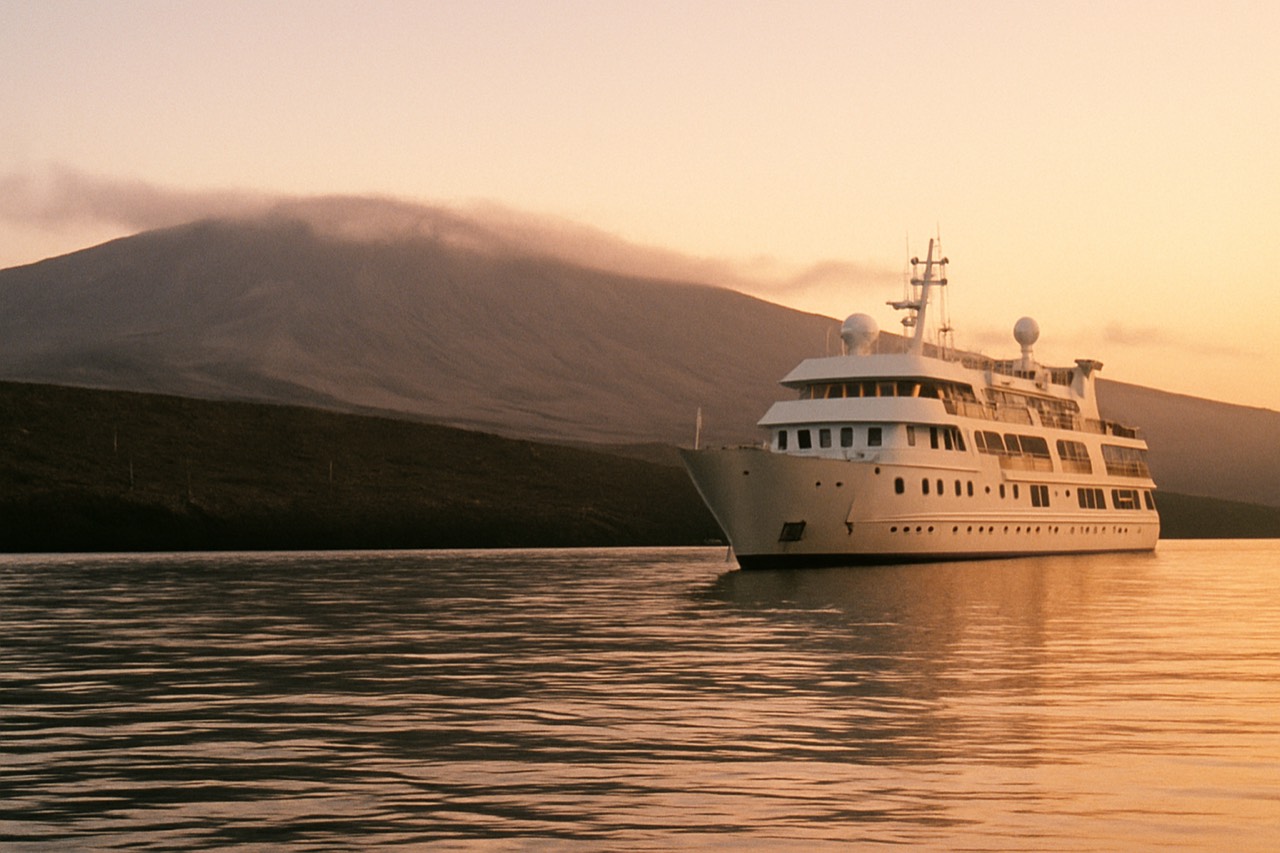
What Is The Best Month To Cruise The Galapagos?
March and April are the best months for most cruise passengers: the sea at Puerto Ayora averages 25.7 and 25.5 degrees Celsius, and the southeasterly winds that build the chop are at their weakest. The trade-off is crowds, since March to April is the foreign visitor peak. September is the opposite month: the coolest water, the roughest channels, the lowest arrivals of the year, and some of the strongest wildlife activity.
The honest answer is that the archipelago runs on two seasons, not twelve months, and the Charles Darwin Foundation defines them by one mechanism: the strength of the southeasterly winds. From January to May those winds weaken, the cold Humboldt Current loses its grip, and you get warm water, warm air and convective rain. From June to December the winds strengthen, a persistent shallow cloud layer called the garúa sits on the windward highlands, and the sea drops several degrees. Every "best month" claim on the internet is really a claim about where you want to sit on that seesaw.
What makes the question worth a proper answer, rather than a one-line verdict, is that the two variables a cruise passenger feels most do not peak together. Warm, calm, snorkel-friendly water comes with the busiest airports and the strongest demand for berths. Cool, rough, garúa-grey water comes with the annual arrival trough, emptier decks, and the breeding calendar of some of the animals people cross the world to see. A cruise is not a hotel stay, either: you are sleeping on the water, so the season matters twice, once at the snorkel stop and once in the channel overnight.
The choice also depends on which itinerary you have booked. A western route toward Fernandina and Isabela spends more time in open water than a central-islands loop, and travellers consistently report the western legs as the swell-affected ones. Before picking a month, it is worth seeing what the three formats below cost and cover, because the same month behaves differently on a five-day luxury cruise, a small-group western expedition and a short bay-focused tour.
The rest of this article walks the year month by month using the verified climate record from the Charles Darwin Foundation's Puerto Ayora station, then matches the months against the breeding calendars that are actually documented, and finally against the arrival numbers that tell you how busy the boats will be. Where a popular wildlife claim has no scientific backing, it says so plainly, because half the month-picking advice online is invented.
The Two Seasons That Decide Everything
The Galapagos has a hot season from January to May and a cool season from June to December, defined by the Charles Darwin Foundation through the southeasterly winds. When those winds weaken, sea and air temperatures rise and rain falls in convective bursts. When they strengthen, shallow cloud and drizzle sit on the highlands and the sea cools by roughly four degrees. Every month-based decision follows from this one mechanism.
The station record behind this is the longest in the islands. The Puerto Ayora meteorological station, run alongside the Charles Darwin Research Station, has daily readings back to the end of 1964, and the 1991 to 2020 normals computed from it are the most reliable month-by-month picture available anywhere. Over that period the mean sea temperature peaks at 25.7 degrees Celsius in March and bottoms at 21.5 in August and September. Mean monthly rainfall swings from 82.4 millimetres in April down to 10.9 in October.
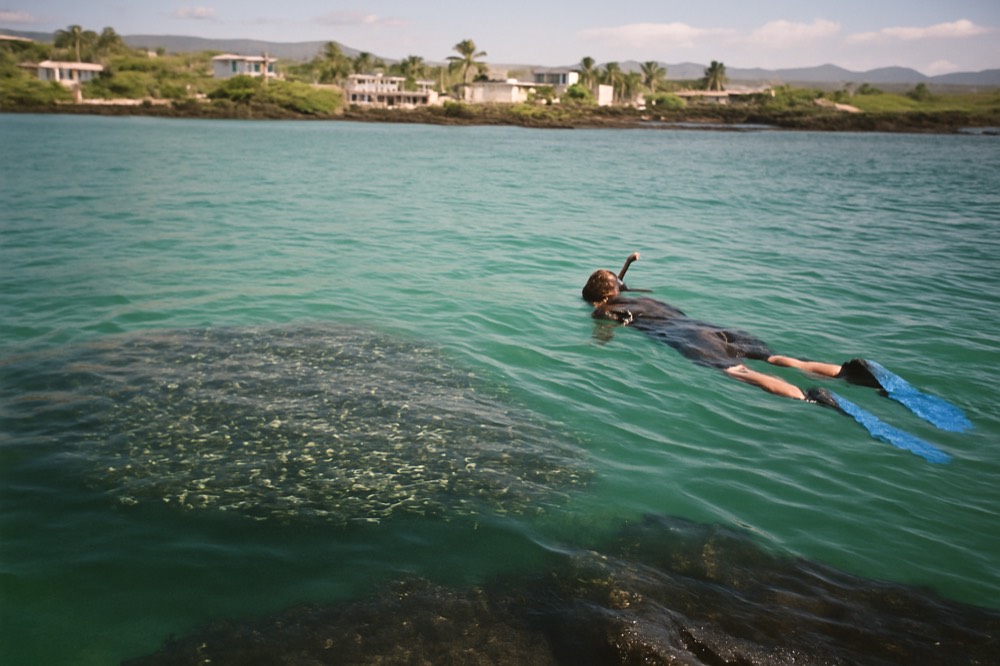
The wind mechanism matters to a cruiser for a physical reason: stronger southeasterly trades mean more sea state. In the hot season the crossings between islands tend to be gentler, and the inter-island ferries that land-based travellers complain about are at their most forgiving. In the cool season the same crossings carry more motion, and the western channels toward Fernandina, which are open water for long stretches, are where it shows. No wave-height figure can be published for the archipelago, because the region's own wave buoy is out of service and the two NOAA buoys in Galapagos waters are tsunami instruments, so the honest statement is the wind one: the cool season is rougher because the winds that define it are stronger.
Both seasons also drift. The Foundation's own climate pages note that a hotter hot season tends to start earlier and finish later, and a cooler one contracts. So a "March is warm" claim is a statement about a thirty-year average, not a promise about your specific week. El Niño years push the whole system warm and wet; La Niña years do the reverse, and the wildlife breeding that tracks sea temperature shifts with it.
Month By Month: Water, Rain And What It Feels Like
January to May delivers sea temperatures from 24.5 up to 25.7 degrees Celsius, afternoon rain, and the calmest crossings of the year. June to December drops the water to between 21.5 and 23.5 degrees, brings grey garúa cloud rather than rain, and builds the chop. March is the warmest water month, August and September the coolest, and the gap between them is about four degrees.
Here is the full monthly record, computed from the 1991 to 2020 normals at Puerto Ayora. It is the single most useful table for picking a month, because it puts the two things you will feel, water temperature and rain, side by side.
| Month | Mean sea temp (C) | Mean monthly rain (mm) | Season | What it means on board |
|---|---|---|---|---|
| January | 24.5 | 52.9 | Hot | Warm water, occasional heavy showers |
| February | 25.4 | 79.5 | Hot | Warmest air of the year, humid |
| March | 25.7 | 69.7 | Hot | Peak sea temperature, calmest seas |
| April | 25.5 | 82.4 | Hot | Warm water, wettest month on record |
| May | 24.7 | 46.8 | Hot | Transition month, still warm |
| June | 23.5 | 19.1 | Cool | Water cooling, seas starting to build |
| July | 22.3 | 13.0 | Cool | Grey skies, more motion overnight |
| August | 21.5 | 12.7 | Cool | Coolest water, rough season |
| September | 21.5 | 11.1 | Cool | Coolest water, annual arrival trough |
| October | 21.7 | 10.9 | Cool | Driest month, still cool |
| November | 22.3 | 14.5 | Cool | Slow warming begins |
| December | 23.2 | 27.2 | Cool | Transition back toward the hot season |
Two practical readings fall out of this table. First, the snorkelling gap is real: four degrees between March and September is the difference between a short swim in a thin wetsuit and a longer one in a thicker suit, and most operators rent suits for exactly this reason. Second, the rain column misleads if you read it as a beach-holiday rainfall chart. Hot-season rain in the Galapagos falls in heavy convective bursts, often at night, while cool-season "rain" is mostly the garúa, a fine drizzle that sits on the highlands and leaves the coasts overcast but dry.
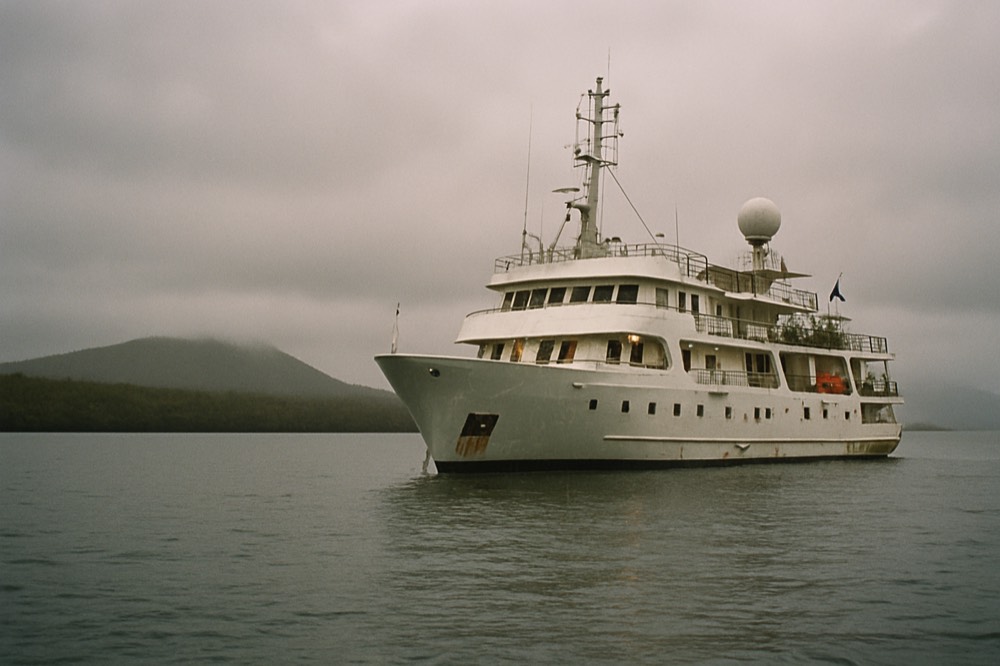
December deserves a special note, because it is the month people most often get wrong. On paper it belongs to the cool season, but the transition is already running: sea temperature climbs back to 23.2 degrees, rainfall picks up as the hot season approaches, and the arrival numbers are climbing toward the holiday peak. A December cruise often feels like an early hot-season trip with cool-season wildlife still on the water.
If a five-day format is what fits your calendar, the season question shrinks to which islands it reaches. A loop of the central islands is swimmable and fairly gentle in any month; a route that pushes west toward Isabela spends more nights in open water, which is where the cool-season motion concentrates.
Which Months The Wildlife Actually Picks
The documented breeding windows point at the cool season for the headline species: waved albatross arrive at Española in March and lay from mid-April, marine iguanas mate from November to February, giant tortoises nest July to October, and sea lion pups appear mostly August to October. But blue-footed boobies have no season at all, verified as aseasonal breeders, and the Galapagos penguin breeds when sea temperature drops, not on any calendar month.
This is where most month-picking articles fall apart, because they print breeding calendars that no scientific source supports. The verified picture is narrower but more useful. The waved albatross, the bird that makes Española itineraries famous, is the best-documented case: adults arrive in March, eggs are laid from mid-April to late June, and the nestling period averages 167 days, so an albatross is somewhere in that cycle from March through late December. There is no verified absence window to quote, and articles that claim one have it backwards.
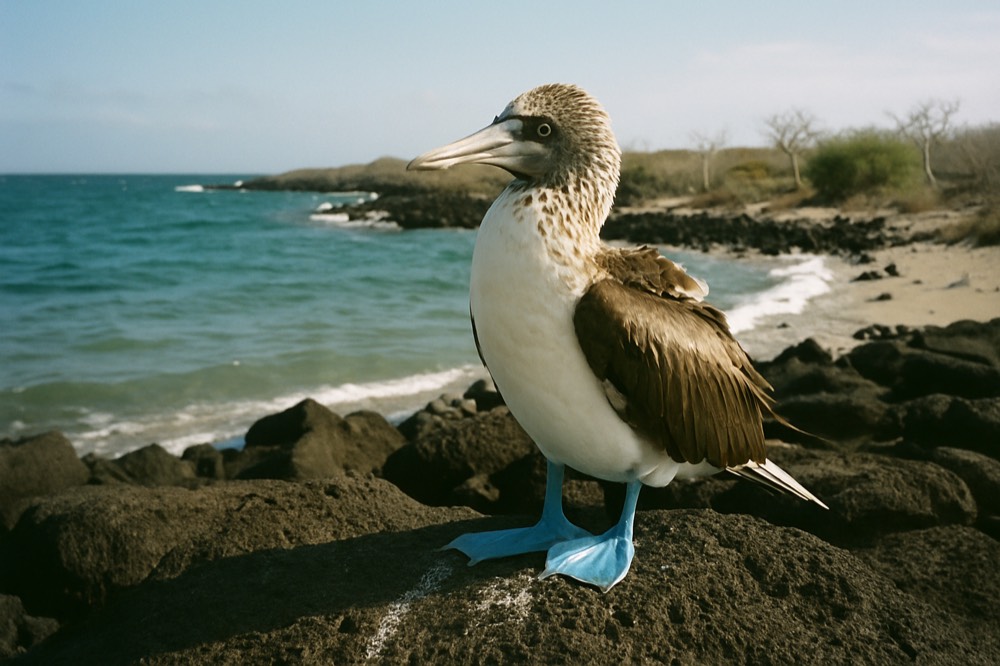
The penguin is the most interesting case on the islands, because it breaks the calendar entirely. Galapagos penguins breed significantly more when the sea is at or below 22 degrees Celsius, driven by the Cromwell Current upwelling around Fernandina and Isabela that brings cold, food-rich water to the surface. In practice that points at the cool season and the western itineraries, but it is a temperature trigger, not a month. The census numbers swing with it: park rangers and the Charles Darwin Foundation counted 413 penguins in the 2024 census and 391 in 2025, and the low juvenile share in 2024 was attributed to poor breeding conditions.
| Species | Verified window | Best months on a cruise |
|---|---|---|
| Waved albatross (Española) | Adults arrive March; eggs mid-April to late June; nestling averages 167 days | March through late December |
| Nazca booby, Española | Laying October to December | October to December |
| Nazca booby, Genovesa | Laying September to November | September to November |
| Marine iguana | Mating November to February | November to February |
| Giant tortoise | Nesting July to October, at low elevations | July to October |
| Galapagos sea lion | Most births August to October; window runs August to January | August to October for pups |
| Swallow-tailed gull | Nests in all months, on a roughly 10-month cycle | Any month |
| Blue-footed booby | No season: verified aseasonal, fairly continuous breeder in non-El Niño years | Any month |
| Galapagos penguin | Breeds when sea temperature is at or below 22 C | Cool season, western islands |
Read that table as a menu, not a schedule. A March cruise misses the Nazca booby laying season but lands the albatross arrival and the warmest water. An October cruise trades four degrees of water temperature for mating iguanas, nesting tortoises, sea lion pups and the booby laying season on Española. Nothing in the verified record says one of those is the "best" trip; it says they are different trips.
One warning worth carrying: the internet is full of month ranges for blue-footed boobies, penguins, frigatebirds, whale sharks and more that no peer-reviewed source backs. The blue-footed booby in particular is an aseasonal, opportunistic breeder, and a successful attempt runs five to six months, so you can see courtship, eggs or chicks in almost any month depending on the colony. If a tour operator promises you a booby season, they are guessing.
Crowds, Prices And The September Trough
Demand peaks twice a year: foreign visitors peak March to April and Ecuadorian visitors peak in August, while September is the annual trough. The 2025 total was 290,404 arrivals, up 4 percent on 2024, and only 21 percent of visitors sleep on board a vessel, so berth competition is sharper than the headline numbers suggest. Booking the shoulder months means fewer people at the visitor sites and more negotiating room.
The arrival data comes from the park's own annual visitor report, and it is the cleanest crowd-prediction tool available. The foreign peak in March and April sits exactly on the best water-temperature months, which is no accident: most of the market is answering this same question and landing on the same answer. The United States alone supplies 29 percent of all arrivals, about 83,000 people in 2025, so the North American spring-break window moves the whole market.
The structural fact behind the crowd numbers is the split the park reports: 79 percent of visitors stay on land and only 21 percent stay on board a vessel, a share unchanged between 2024 and 2025. Cruise berths are the scarce product, which is why the March-to-April window fills first and why the small-group ships go earliest. If your dates are locked to that window, booking well ahead matters more than any other tip in this article.
The counter-move is September. It is the coolest month in the water, the roughest on the wind mechanism, and the emptiest on arrivals, a combination that suits a traveller who cares more about Nazca boobies and pupping sea lions than about warm snorkelling. October is nearly as quiet and slightly warmer. The shoulder weeks of May, November and early December split the difference: most of the wildlife, thin crowds, and water somewhere in the middle of the range.
For a fuller treatment of the quiet and busy periods, including the months to avoid entirely, read when not to go to the Galapagos islands, and for how the seasons interact with ship choice, the best time for a Galapagos cruise guide goes deeper on itinerary selection. The site behind this article, Galapagos Islands Tour Packages, also breaks the market down by package type if you are still choosing a format.
What About The Rough Water?
The cool season, June to December, is the rougher one, and the reason is documented: the Charles Darwin Foundation defines it as the period when the southeasterly winds strengthen. Western itineraries toward Fernandina and Isabela draw the most swell complaints, and inter-island crossings are rougher than day-boat runs near shore. No wave-height figure exists for the archipelago, because the local wave buoy is out of service and the NOAA buoys there measure tsunamis.
Traveller reports line up with the mechanism. On recent Galapagos forums, people who did both formats describe the inter-island ferries as the roughest legs of any trip, cruise passengers describe more motion on western transits, and the recurring advice is to start motion-sickness medication the night before rather than on the day. One traveller on an eight-day cruise spent much of it in the cabin and was still glad they went, which is the honest range of outcomes: the cool season is manageable for most people and miserable for a few.
Practical steps follow from the season rather than from any number. If you are prone to seasickness, bias toward January to May, or toward a central-islands itinerary in the cool season, or toward a catamaran hull. Pick a cabin midship and on an upper deck if the ship offers a choice, since lower-deck cabins near the engine draw repeated complaints about noise and fuel smell. And treat the itinerary as fixed: park rules authorise named day-by-day routes that cannot be modified without express park authorisation, and only vessels under 20 passengers may change itinerary at all, so a captain cannot simply reroute around weather on a larger ship.
The rough-water question is also a reason the ship choice interacts with the month. A five-day luxury cruise with a naturalist guide on every landing is a different cool-season experience from a budget liveaboard, and the same September swell feels different on each. Checking what the vessel actually offers, and what the live listing says about wetsuit rentals and cabin decks, is worth doing before you commit to a month.
For travellers whose priority is the western islands specifically, the small-group expedition format exists precisely for that route, and it is worth comparing its itinerary against the luxury five-day loop before deciding that one month suits both.
Whichever month and format you settle on, the two fees that sit outside every package price do not change with the season: the $200 park entrance fee, paid in cash US dollars to rangers on arrival, and the $20 transit control card, bought at the mainland airport counter. Budget them in any month.
Common Questions About The Best Month To Cruise The Galapagos
What Is The Best Month To Cruise The Galapagos?
March and April for most travellers: the warmest sea of the year at 25.7 and 25.5 degrees Celsius, the weakest winds, and calm crossings. September and October if you prioritise wildlife over water temperature and want the fewest fellow visitors. There is no single answer, only the trade between warmth and wildlife.
Is The Water Too Cold To Snorkel In The Cool Season?
The mean sea temperature bottoms at 21.5 degrees Celsius in August and September. Most people snorkel in a wetsuit in those months, and many operators rent suits. If you snorkel without a suit and dislike cold water, stay in the January-to-May window, when the sea runs between 24.5 and 25.7 degrees.
Which Month Has The Biggest Crowds?
March to April is the foreign visitor peak and August is the Ecuadorian peak, per the park's 2025 visitor report. September is the annual trough. Since only 21 percent of visitors stay on board a vessel, cruise berths in the peak windows fill well ahead of hotels on land.
When Can I See The Waved Albatross?
Adults arrive at Española in March and lay eggs from mid-April to late June, with a nestling period averaging 167 days, so birds are present from March through late December. No verified source states an absence window, and claims that the colony is empty for half the year get the season backwards.
Is There A Month Guaranteed For Blue-Footed Boobies?
No. Blue-footed boobies are verified aseasonal, opportunistic breeders, with fairly continuous breeding in non-El Niño years, and a successful attempt runs five to six months. You can encounter courtship, eggs or chicks in almost any month. Any article promising a booby season is inventing one.
Which Months Are The Seas Roughest?
June to December, because that is when the southeasterly winds strengthen, per the Charles Darwin Foundation's season definition. Western routes toward Fernandina and Isabela feel it most. Start motion-sickness medication the night before, and prefer a midship upper-deck cabin.