Galapagos Cruise Itineraries Decoded: Which Route Reaches Which Island
Every Galapagos cruise sails a route the national park has already approved, day by day, and the boat cannot swap it on a whim. Here is how to read an itinerary and pick the one that reaches the islands you actually came for.
Short answer
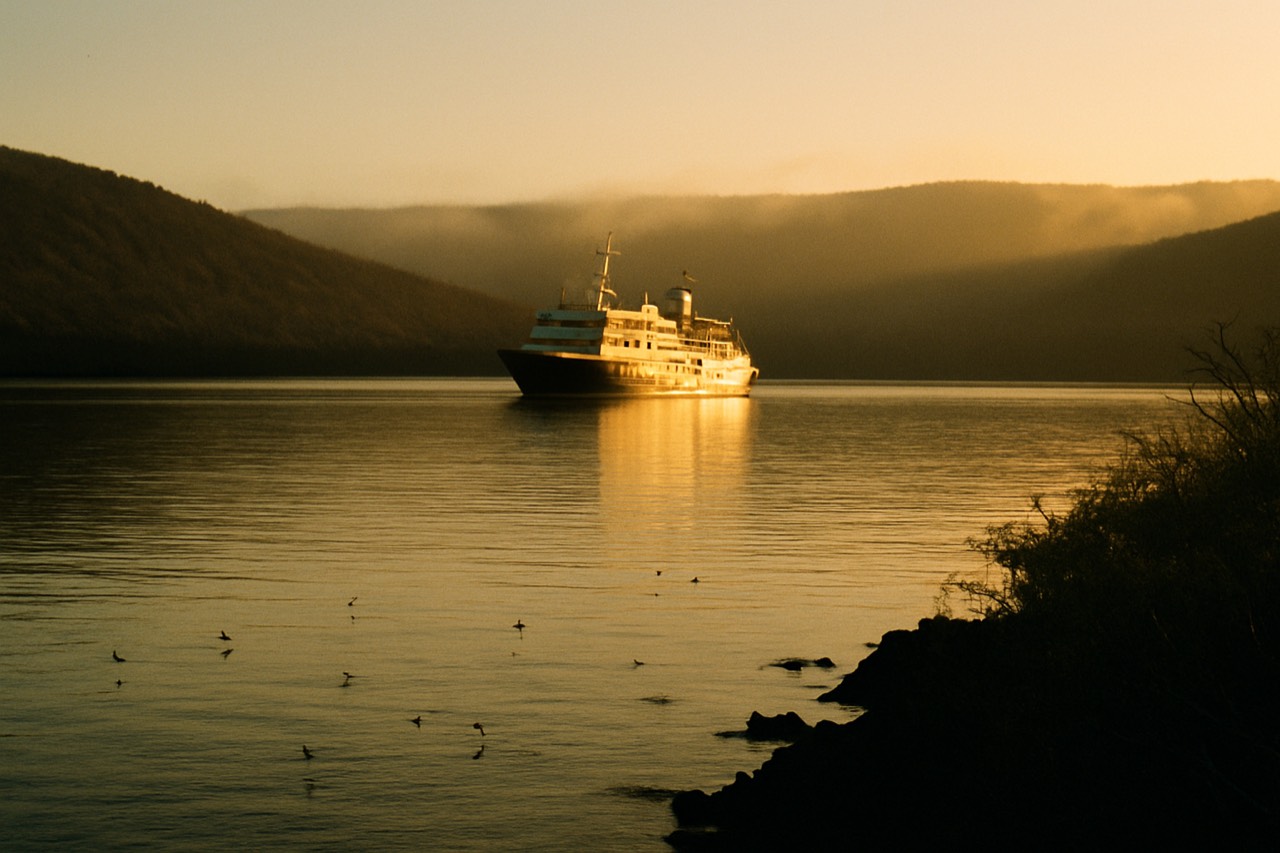
Galapagos cruise itineraries are fixed, park-approved routes of up to 15 days, and only vessels under 20 passengers may change one at all. Fernandina and the western islands sit on western routes such as the Isabela II Islands of Fire itinerary, from $4,604 per person. Genovesa appears on fewer routes, including the 5-Day Seaman Journey, from $4,500.
A Galapagos cruise itinerary is not a suggestion. It is a document, approved day by day by the Galapagos National Park Directorate, that names every visitor site, every landing hour and every activity the vessel is allowed to run. When a 2021 park resolution authorised an itinerary for one vessel, it stated in plain words that the route and its activities "may not be modified under any concept" without express new authorisation from the park. That single sentence explains most of what confuses first-time buyers: why boats on the same route sail the same stops, why you cannot ask the captain to detour to Genovesa, and why choosing the right lettered route matters more than choosing the right ship.
This page decodes the system. It covers how itineraries are structured and capped, which routes reach the remote islands of Fernandina and Genovesa, how the 4, 5, 7 and 15-day formats differ, and how to match a route to the wildlife you want. The site, Galapagos Islands Tour Packages, tracks the multi-day packages on the market so you can compare routes side by side.
How Do Galapagos Cruise Itineraries Actually Work?
Every cruise in the national park sails a pre-approved itinerary that the park has fixed in advance, and the vessel may not deviate from it. The legal framework caps a cruise vessel at 64 passengers and a permit at 16, allows itineraries of up to fifteen days, and only vessels under 20 passengers may change an itinerary at all. The park has authorised 176 visitor sites, 91 marine and 85 terrestrial.
The rules come from two instruments you can read yourself. The Special Tourism Regulation for Protected Natural Areas (RETANP, Decreto Ejecutivo 827, 2016) sets the passenger limits per modality: a navigable cruise permit carries at most 16 passengers, and a cruise vessel at most 64. The Regulation to the Special Regime Law of Galapagos (Decreto Ejecutivo 1363, 2017) sets the itinerary length: foreign vessels may be granted up to two visit itineraries, on different dates, each with a maximum duration of fifteen days. A ship's cabin count is therefore not a marketing choice, it is a stack of permits. A 64-berth ship is running four 16-passenger permits.
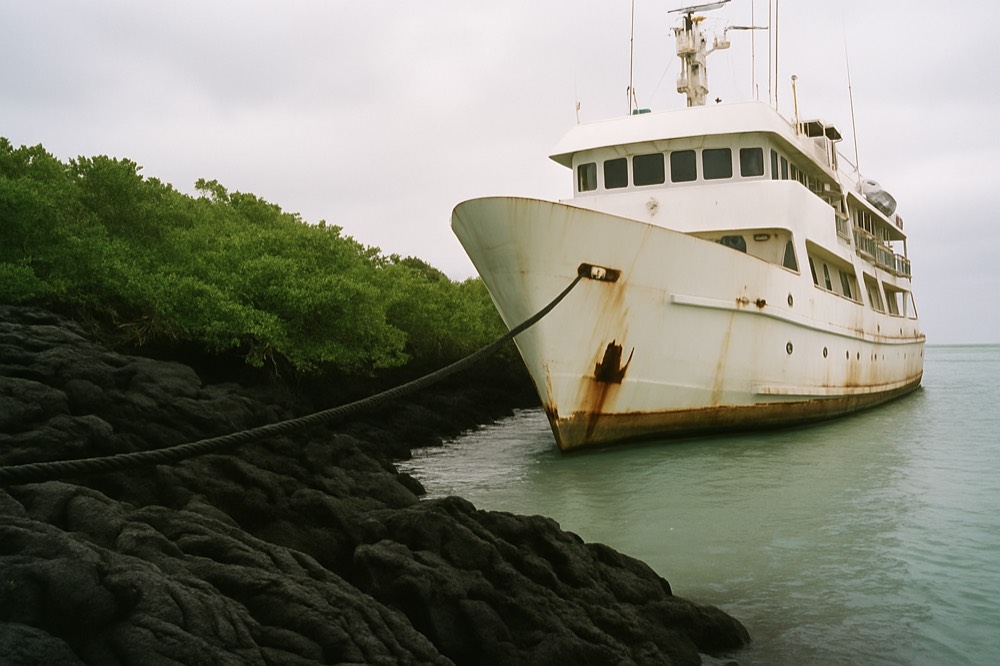
The park publishes the full list of authorised visitor sites on its official visitor sites page, with the permitted activity at each one: snorkel, panga ride, kayak, diving, walking. An itinerary is a chain drawn through those sites. What this means in practice: two ships on the same route will visit the same sites in roughly the same order, and the difference between a good and a disappointing week is almost never the ship, it is the route. If you want the comparison between this and sleeping ashore, our guide to cruise versus land-based packages breaks down the trade-offs.
Which Routes Reach The Remote Islands?
The remote islands split the fleet. Fernandina and the western coast of Isabela appear on western itineraries, such as the Isabela II Islands of Fire route, from $4,604 per person, rated 5 across 24 reviews. Genovesa appears on fewer routes still, including the 5-Day Seaman Journey, from $4,500 per person, which has no reviews yet. Central routes around Santa Cruz, Floreana and North Seymour reach neither, and they are the cheaper, calmer option.
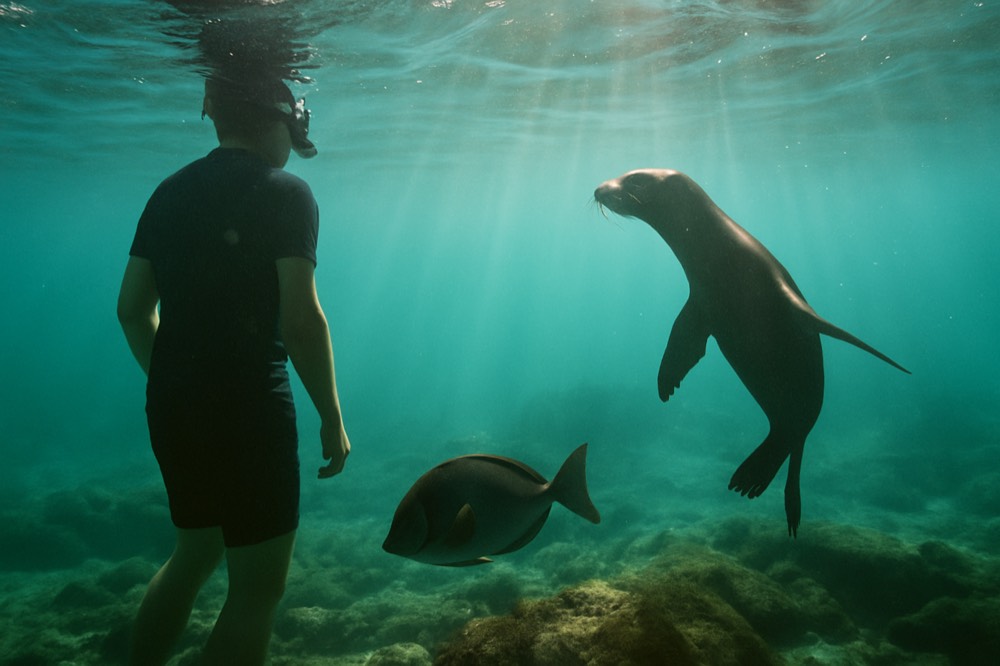
Western routes are the ones that reach Fernandina, the youngest and most pristine island in the archipelago, and the upwelling waters around it where Galapagos penguins and flightless cormorants feed. The penguin is the only penguin species that lives and nests on the equator, and the cormorant is the only cormorant on earth to have lost flight; a 2024 park and Darwin Foundation census counted 413 penguins and 762 cormorants across Isabela, Fernandina and the Las Marielas islets. If those two species are the reason you are going, the itinerary matters more than anything else you will decide.
Genovesa is the other great divider. The island is a flooded caldera in the far north, reached only by vessels that commit a full day to the crossing, and it is the reliable place for red-footed boobies and the swallow-tailed gull, a seabird that nests in every month of the year on a roughly ten-month cycle. Because the crossing is long, only the longer or more dedicated itineraries include it.
| Island or site | What it is known for | Which itineraries reach it |
|---|---|---|
| Fernandina | Flightless cormorants, marine iguanas, youngest lava fields | Western routes: Isabela II Islands of Fire, La Pinta Darwin's Legacy, several hopping tours listed as Fernandina stops |
| Genovesa | Red-footed boobies, swallow-tailed gulls, caldera landing | Northern routes: 5-Day Seaman Journey among cruise packages |
| Espanola | Waved albatross, nesting boobies | Southern routes: Isabela II Natural Selection Journey |
| Bartolome | Pinnacle Rock, the classic viewpoint | Central routes on many packages, including 4-day itineraries |
| North Seymour | Frigatebirds, blue-footed boobies, land iguanas | Central routes, widely available |
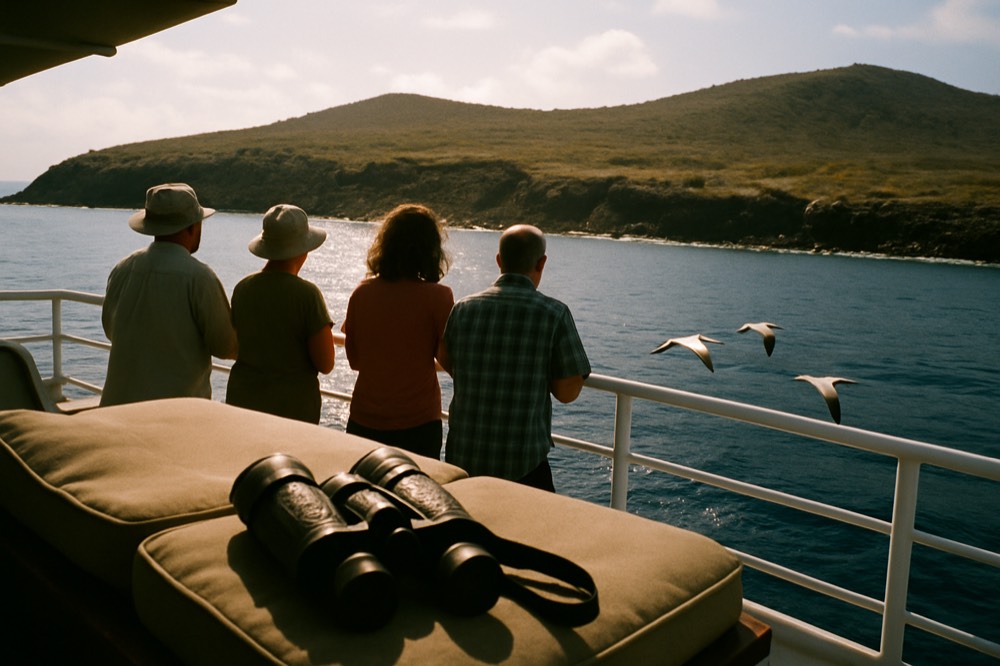
Here are three itineraries that show how differently the archipelago can be sliced: a western small-group cruise, a seven-day route that stitches the centre and the far west together, and a short four-day bay tour for travellers who only have a long weekend.
What Makes The Western Itineraries Special?
The western routes, toward Fernandina and the Isabela coastline, are the only cruise itineraries that reach the coldest, most productive water in the archipelago, fed by the Cromwell Current upwelling. The Isabela II Islands of Fire itinerary runs five days from $4,604 per person, rated 5 across 24 reviews, with confirmed stops at Bartolome, Santa Cruz, Isabela, Fernandina, Santiago and Baltra. It is the shortest comfortable way to reach Fernandina.
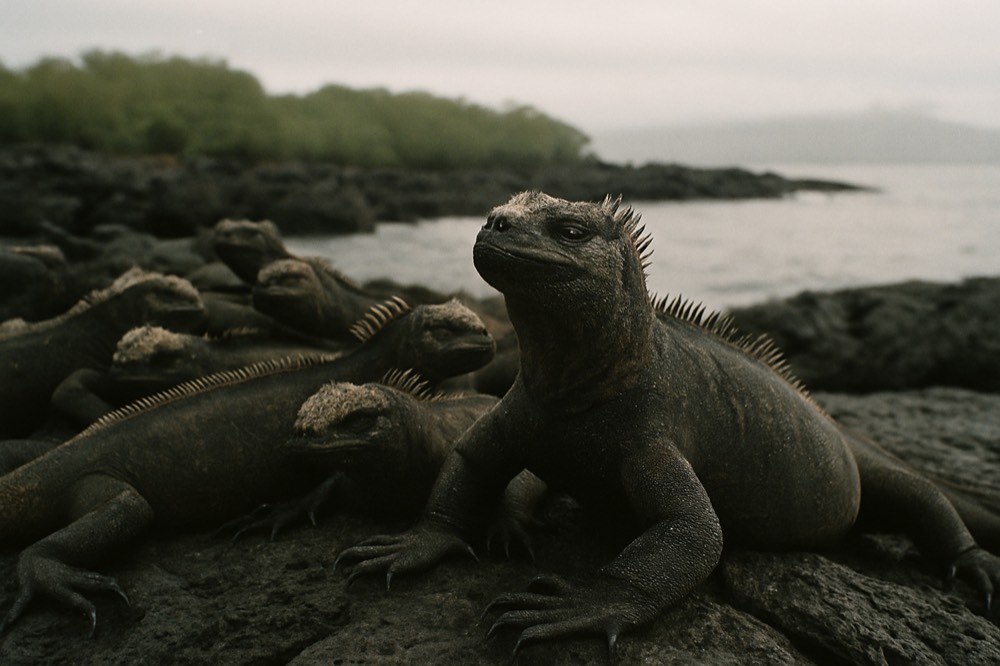
The western islands sit where the cold, nutrient-rich Cromwell Current hits the volcanic shelf, and that upwelling is why penguins, cormorants and vast marine iguana colonies concentrate there. The park's 2025 monitoring counted 26,336 marine iguanas and 6,936 sea lions across its survey sites, and the western waters hold a disproportionate share. A 2021 park estimate put the whole archipelago's giant tortoise population at around 60,000 animals, with the Alcedo Volcano population on Isabela judged the healthiest in the islands at 12,000 to 15,000 individuals.
The trade-off is motion and weather. The Charles Darwin Foundation defines the June-to-December cool season as the period when the southeasterly trades strengthen, and the western routes take the full force of that wind. Travellers on public forums consistently report the western and open-water legs as the roughest, and the honest advice is to start motion-sickness medication the night before, not the morning of. There is no trustworthy wave-height figure for these waters: the two NOAA buoys in the archipelago are tsunami buoys, and the navy's own Puerto Ayora wave buoy is out of service, so roughness can only be described by season, never by number.
The Isabela II Islands of Fire itinerary is the western route we point most buyers toward, and you can also Check availability on the operator's live listing to see current departure dates.
Before you commit to any western route, weigh the season against your tolerance for swell. The cool season brings the richest wildlife to Fernandina's waters but the choppiest crossings, while the warm season from January to May calms the sea at the cost of clearer skies and fewer nutrients in the water. Travellers who get seasick easily sometimes book the west anyway and simply manage it with medication, because the flightless cormorant and the penguin colonies exist nowhere else on the itinerary map.
Which Itineraries Reach Genovesa?
Genovesa appears on a minority of itineraries because it demands a long crossing each way, and among cruise packages the 5-Day Seaman Journey, from $4,500 per person with breakfast, lunch and dinner included, lists Genovesa as a confirmed stop. It has no reviews yet, which is honest information, not a red flag by itself. La Pinta's seven-day Darwin's Legacy route, from $8,066, rated 5 across 48 reviews, covers the centre and west but not Genovesa.
The crossing to Genovesa is the commitment. The island lies north of the main group, and a vessel must devote the better part of a day to reaching it and another to returning, which is why short central routes never include it and why the itineraries that do tend to be five days or longer. What you get for the transit is the single best seabird island in the archipelago: red-footed boobies in the palo santo forest, great frigatebirds overhead, and swallow-tailed gulls nesting at almost any time of year.
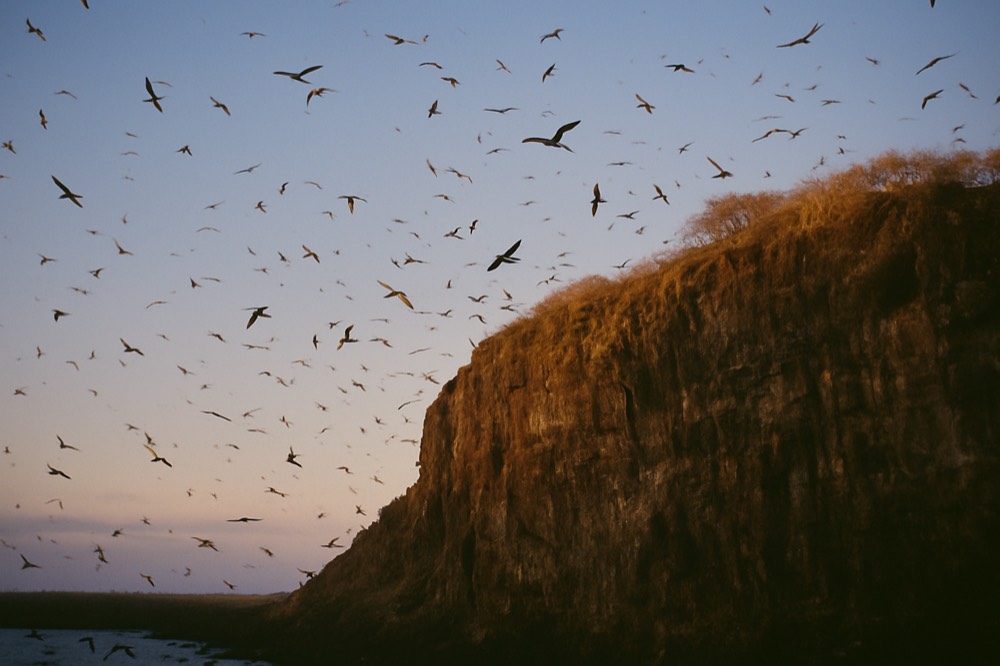
If Genovesa is a priority, say so early when comparing packages, because the listings that include it are a small subset. The 5-Day Seaman Journey is the cruise package that names it as a confirmed stop, alongside San Cristobal, Bartolome, Santa Cruz, Isabela, Santa Fe, North Seymour, South Plaza and Baltra, an unusually long stop list for a five-day trip. Read the listing carefully: on some tours, stops are listed as options rather than confirmations, and a conditional stop is not the same as a scheduled landing.
How Do Itinerary Lengths Compare: 4, 5, 7 Or 15 Days?
Itineraries run from four to fifteen days, and the length determines which islands are physically reachable, not just how relaxed the trip feels. Four-day routes cover the centre around Santa Cruz. Five-day routes add either the west or the north. Seven-day routes combine the centre with one remote region, from $6,137 for the Isabela II Natural Selection Journey, rated 4.9 across 31 reviews. The fifteen-day maximum is the legal ceiling on any itinerary.
The legal ceiling matters more than people expect. The Regulation to the Special Regime Law caps a foreign vessel's visit itineraries at fifteen days each, at most two itineraries on different dates. That is why no cruise sells a three-week Galapagos trip: the route would simply be illegal. Longer trips are sold as back-to-back itineraries, and the park's fixed scheduling means the second week visits different sites rather than repeating the first.
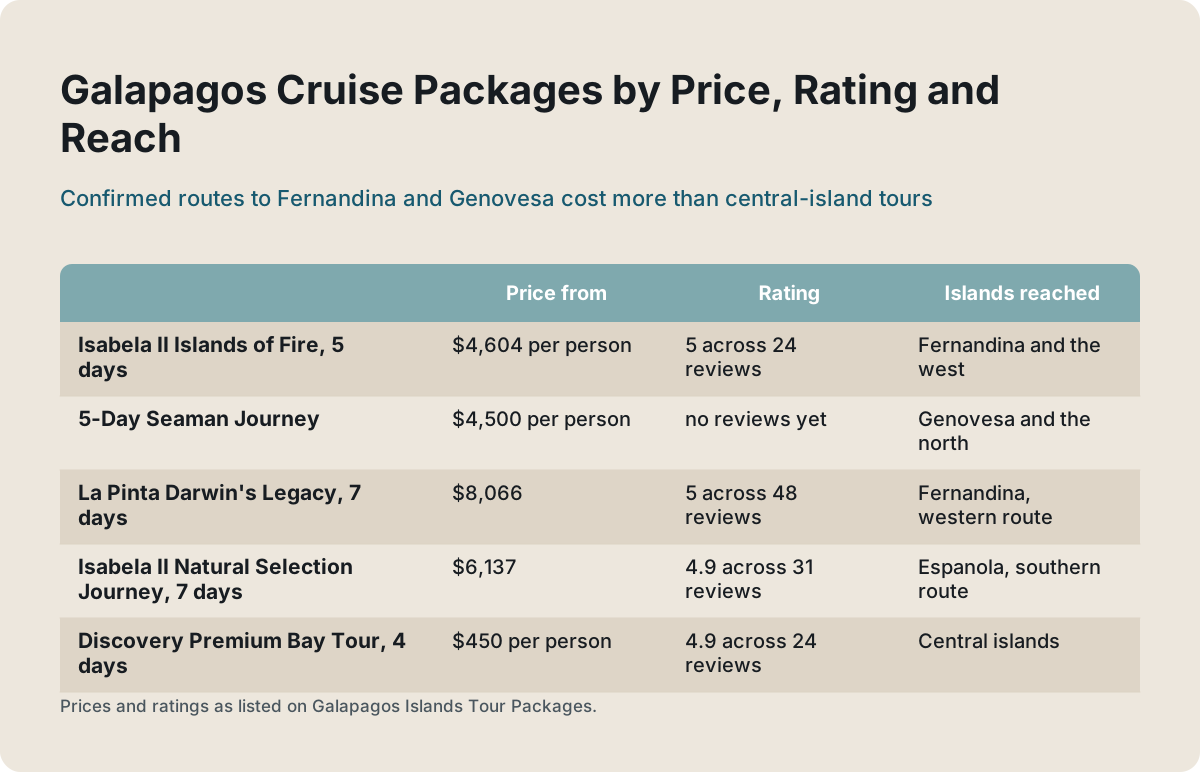
| Length | Typical reach | Example package | Price from | Rating |
|---|---|---|---|---|
| 4 days | Central islands, Santa Cruz base | Discovery Premium Bay Tour, all meals | $450 per person | 4.9 across 24 reviews |
| 5 days | Centre plus west or north | Isabela II Islands of Fire, small group | $4,604 per person | 5 across 24 reviews |
| 7 days | Centre plus one remote region | Isabela II Natural Selection Journey | $6,137 per person | 4.9 across 31 reviews |
| 7 days | Centre plus the far west | La Pinta Darwin's Legacy | $8,066 per person | 5 across 48 reviews |
| 10 to 15 days | Multiple regions, widest reach | Not commonly sold as a single itinerary | varies | varies |
A frequent regret in traveller reports is booking too short. People who took shorter cruises often wish they had gone longer once they understood how much of the archipelago a four-day route leaves out. The counter-argument is real too: a four-day bay tour from $450 per person is a fraction of the cost, and our guide to choosing a package length works through the decision honestly.
Why Can't A Cruise Change Its Itinerary?
The park approves each itinerary in writing and forbids changes without express new authorisation, and the 2014 management plan allows only vessels under 20 passengers to change route at all, with larger ships limited to proven force majeure. This is why the same ship always sails the same lettered route, and why a boat substitution, when it happens, can change your islands.
The 2014 management plan for the Galapagos protected areas states that itinerary changes may only be made by vessels under 20 passengers, and by larger vessels only in duly proven force majeure, within a contemplated maximum of 100 passengers per vessel. On a big ship, the itinerary genuinely cannot move. The park's own resolutions make it explicit: the 2021 authorisation for one vessel declared its day-by-day itinerary and accessory activities unmodifiable "under any concept" except with express park authorisation.
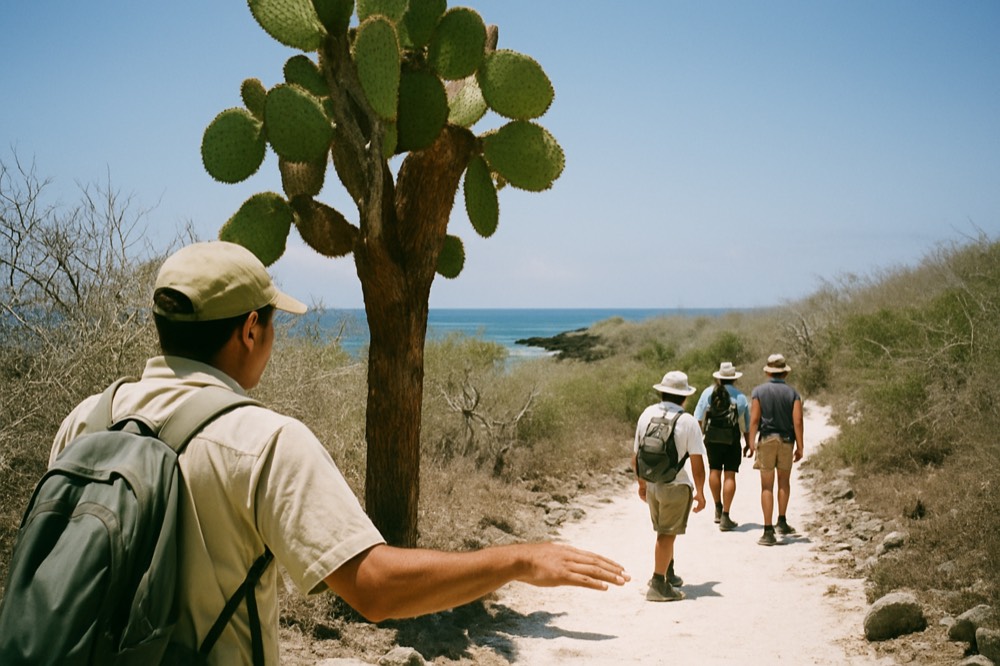
One practical consequence deserves a warning. Travellers report occasional vessel substitutions close to departure, and because the itinerary attaches to the vessel, a substitution can change which islands you visit even though your booking never changed. The current visit rules, Resolución MAE-PNG/DIR-2026-0044-RM of 12 August 2026, also require every visitor to be accompanied by a park-accredited naturalist guide, so a route cannot be improvised around a missing guide either. Check the operator's substitution policy before you pay, and read what other travellers say about the specific boat, not just the operator.
How Do You Match An Itinerary To The Wildlife You Want?
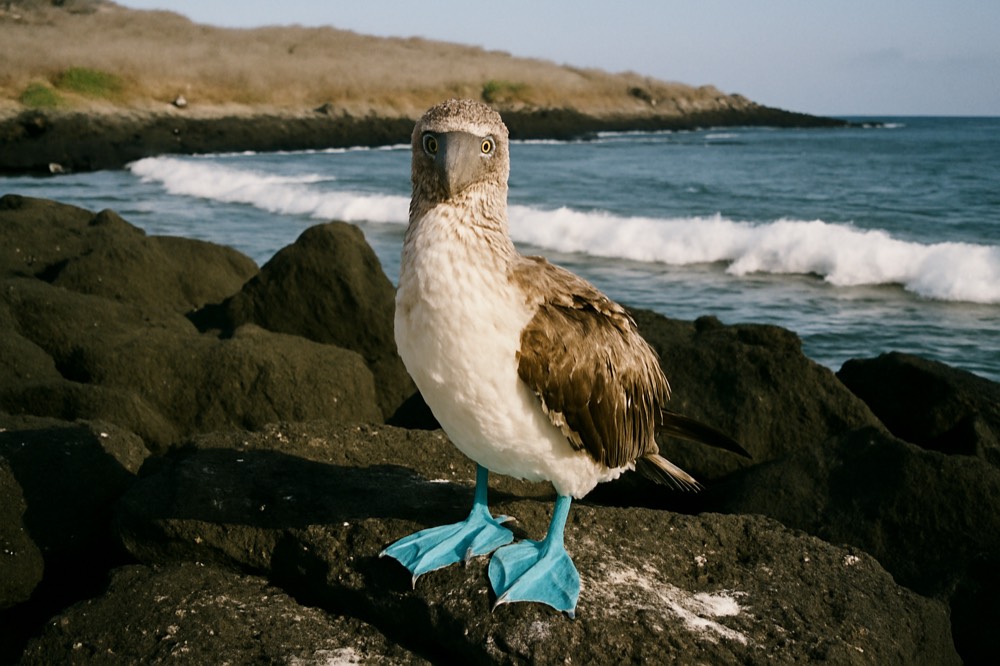
Work backwards from the animal, not the ship. Albatrosses are on Espanola, adults arriving in March with eggs laid mid-April to late June. Penguins and cormorants track the cold western upwelling, and penguin breeding follows sea temperature rather than the calendar. Blue-footed boobies have no fixed season at all: they are verified aseasonal breeders, so any month range you read for them is invented.
The wildlife calendar is where most Galapagos content goes wrong, because month ranges get copied from site to site without a source. The verified picture is more interesting. Nazca boobies lay in October to December on Espanola but September to November on Genovesa, so "Nazca boobies lay in October" is wrong for half the archipelago. Marine iguanas mate from November to February. Giant tortoises nest July to October at low elevations. Sea lion pups arrive mostly August to October.
| Species | Verified timing | Which itinerary reaches it |
|---|---|---|
| Waved albatross | Adults arrive March, eggs mid-April to late June | Espanola routes, such as Isabela II Natural Selection Journey |
| Galapagos penguin | Breeding tracks sea temperature, not the calendar; no month range | Western routes to Fernandina and Isabela |
| Flightless cormorant | 762 counted in the 2024 census, 656 in 2025 | Western routes |
| Nazca booby | Espanola lays October to December, Genovesa September to November | Southern or northern routes respectively |
| Blue-footed booby | Aseasonal breeder, no reliable month range | Central routes, widely |
| Giant tortoise | Nesting July to October | Santa Cruz highlands on nearly every route |
The seven-day Isabela II Natural Selection Journey is the itinerary that spreads across the most of these territories, with confirmed stops on San Cristobal, Santa Cruz, Isabela, North Seymour, Floreana, Espanola and Fernandina, from $6,137 per person, rated 4.9 across 31 reviews.
What Is Never Included In A Cruise Itinerary?
The park entrance fee of $200 per foreign adult, paid in cash US dollars to rangers on arrival at Baltra or San Cristobal, and the $20 Transit Control Card are extra on most packages, and inter-island flights are usually separate too. On 33 of the 50 packages we track, the listing simply does not state whether the park fee is included, which means not stated, not included by default.
The fee mechanics are fixed by the government, not by operators. The entrance fee, effective since 1 August 2024, is $200 for foreign adults over 12 and $100 for foreign children under 12, collected in cash at the airport by park rangers, with no official online prepayment portal. The Transit Control Card costs $20 per person per trip: you can pre-register online to save time, but individual travellers buy it at the Galapagos government counter at Quito or Guayaquil airport before check-in, and only travel agencies can purchase in advance. Arrive three hours before your flight for the biosecurity inspection.
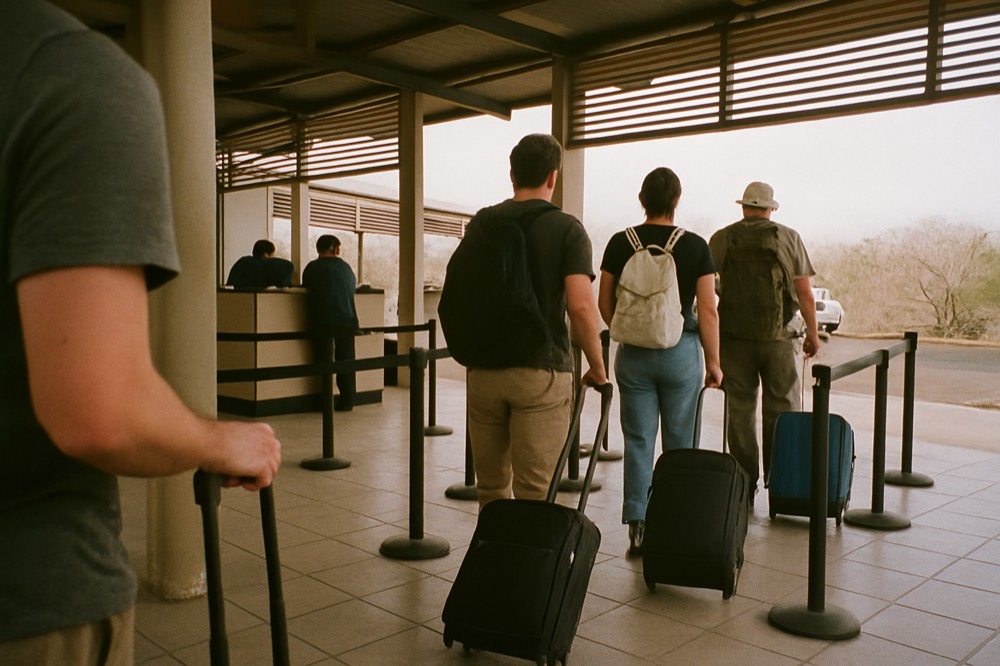
The card also enforces the length of your whole stay: tourists may stay at most 60 days per calendar year in Galapagos, non-extendable, and you cannot fly there on a one-way ticket, because the government requires a personal return ticket between the mainland and the province. Our full guide to flights, the park fee and the transit card covers every step.
How Do You Book The Right Itinerary Without Overpaying?
Decide the one island you refuse to miss, filter the market to the itineraries that list it as a confirmed stop, then compare on cabin class and inclusions rather than on the headline ship. Prices across the packages we track run from $450 to $8,066 per person, and the median land-based package sits far below the top cruise, so the $8,066 figure should never stand in for a typical Galapagos trip.
The booking mechanics matter as much as the route. Free cancellation appears on a minority of packages, including the private seven-day island-hopping tour rated 4.9 across 25 reviews, and it is worth holding out for on an expensive cruise because vessel substitutions and schedule changes do happen. Our walkthrough of how to book a Galapagos package covers deposits, cancellation windows and what to confirm in writing, and if you are weighing whether the premium is justified at all, the honest debate is in whether Galapagos cruises are worth it.
The three itineraries below are the ones we would shortlist first: the western small-group route to Fernandina, the seven-day centre-plus-west journey on La Pinta, and the four-day bay tour for travellers with a short window.
Common Questions About Galapagos Cruise Itineraries
Are Galapagos Cruise Itineraries Fixed Or Can They Change?
They are fixed. The park approves each itinerary in writing and its resolutions state the route may not be modified without express new authorisation. Under the 2014 management plan, only vessels under 20 passengers may change itinerary at all, and larger ships only in proven force majeure.
Which Itinerary Reaches Fernandina?
Western routes only. The Isabela II Islands of Fire itinerary, from $4,604 per person and rated 5 across 24 reviews, lists Fernandina as a confirmed stop alongside Isabela, Santiago and Bartolome, and La Pinta's seven-day route also includes it.
Which Itinerary Reaches Genovesa?
Among cruise packages, the 5-Day Seaman Journey from $4,500 per person lists Genovesa as a confirmed stop. It has no reviews yet. Genovesa appears on relatively few itineraries because the crossing takes the better part of a day each way.
What Is The Longest Galapagos Cruise Itinerary?
Fifteen days, which is the legal maximum for a single itinerary under the Regulation to the Special Regime Law. Foreign vessels may hold up to two itineraries on different dates, so longer trips are sold as back-to-back routes visiting different sites.
Do Galapagos Cruise Itineraries Rotate On A 14-Day Cycle?
No legal instrument contains a 14-day rotation. The verified figure is 15 days, the maximum length of an approved itinerary. Treat any claim of a fortnightly site-rotation cycle as unsourced.
Is The Park Fee Included In A Cruise Itinerary Price?
Usually not, and on 33 of the 50 packages we track the listing does not state either way. The $200 foreign adult fee is paid in cash US dollars to park rangers on arrival at Baltra or San Cristobal, and the $20 Transit Control Card is bought at the mainland airport counter.