How Many Days Is Enough In Galapagos?
A day-by-day breakdown of what each extra night in the Galapagos actually buys: more visitor sites, access to the western islands, and the point at which extra days stop paying off.
 By Oleg Galeev, Editor
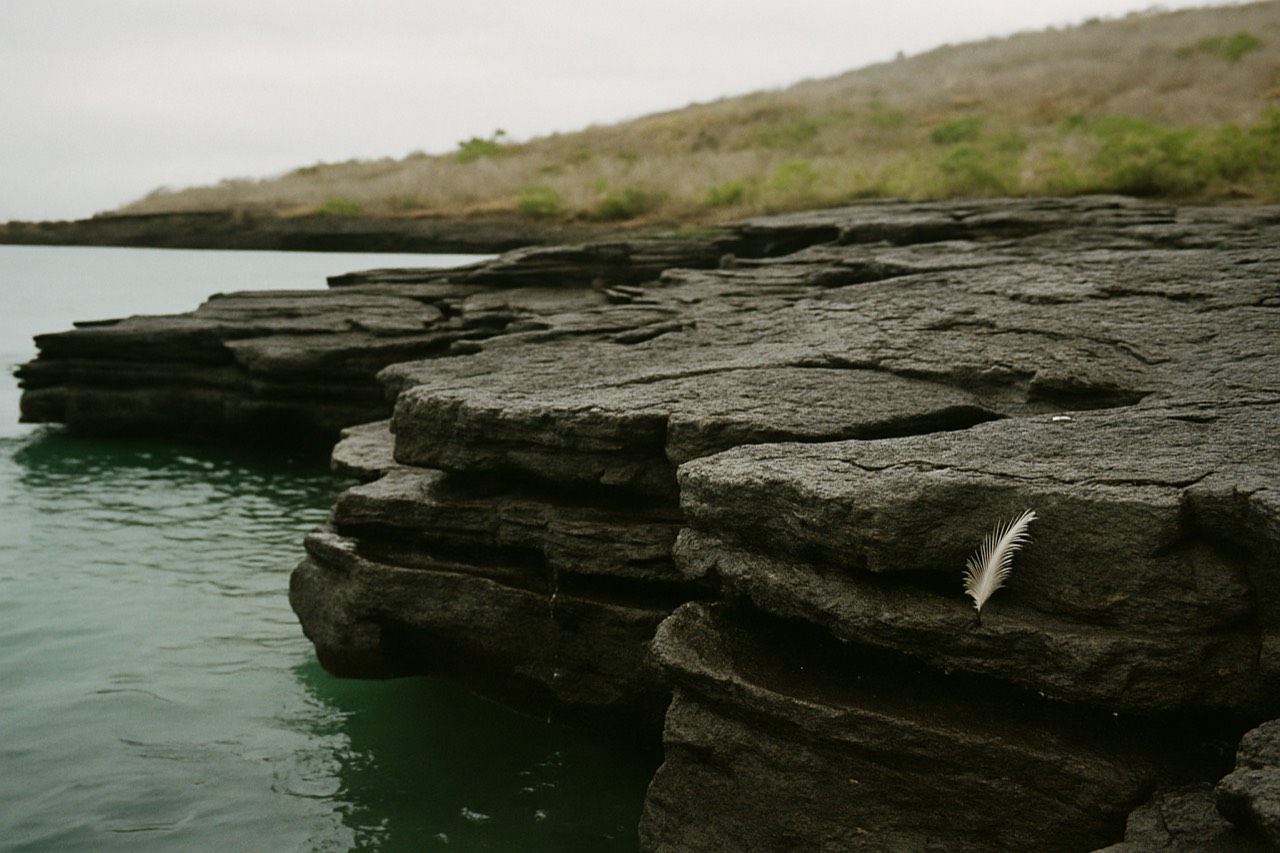
The honest answer is that the Galapagos does not have a single right length, it has a staircase. Every additional night converts into visitor sites, and the archipelago holds 176 of them, 91 marine and 85 terrestrial, each with its own defined set of permitted activities according to the park's official visitor-site register. The question worth asking is not "how many days is enough" in the abstract but "what does day five buy me that day four did not", and that question has a concrete answer.
A cruise day in the Galapagos almost always includes a morning landing and an afternoon landing, sometimes a third stop such as a snorkel or a panga ride. That is the arithmetic behind every recommendation on this page. Four nights buys roughly six landings. Eight nights buys around fourteen. And the second week is where the western islands, Fernandina and the far side of Isabela, finally come into range, because those sites sit at the end of long transits that short itineraries simply cannot absorb.
How Many Days Is Enough In Galapagos?
For most travellers, five to eight days is the sweet spot: long enough for roughly eight to fourteen visitor sites across two or three islands, short enough to keep the total cost near the middle of the market. Four days works if you accept about six landings and stay central. Ten or more days only pays off if the western islands or a mainland extension are part of the plan.
The staircase effect comes from geography. The archipelago runs about 1,000 km off the South American continent, and its inhabited hubs, Santa Cruz, San Cristobal, Isabela and Floreana, cluster in the centre. Central sites such as North Seymour, Santa Fe, Bartolome and South Plaza are reachable on day runs from those hubs, which is why four-day land-based packages can honestly promise a lot of variety. The far western sites are different. Fernandina, Punta Moreno, Elizabeth Bay and the west coast of Isabela sit across serious open water, and only multi-day itineraries with the transit time built in get there.
There is also a hard ceiling most travellers never hit. Ecuador caps a tourist stay in the Galapagos at 60 days per calendar year, non-extendable, per the official CGREG transit-control FAQ. Nobody needs 60 days. But the limit explains why every package on the market, from three nights to twelve, is designed as a single contained loop rather than an open-ended stay. You also cannot fly to the islands on a one-way ticket: the same FAQ requires a personal, non-transferable return ticket between the mainland and the province, booked within that 60-day window.
The staircase framing also protects you from the most common booking mistake, which is comparing packages by price alone. A four-day package at $1,313 and a five-day package at $1,399 look nearly identical on a search results page, but the five-day version typically adds two or three landings and one more island to the loop. The price difference is small because the fixed costs, flights, fees and transfers, dominate a short trip's budget. The landing difference is not small at all. That is the whole logic of measuring a Galapagos package in landings rather than days, and it is the lens used for the rest of this page.
What Four Days Actually Buys You
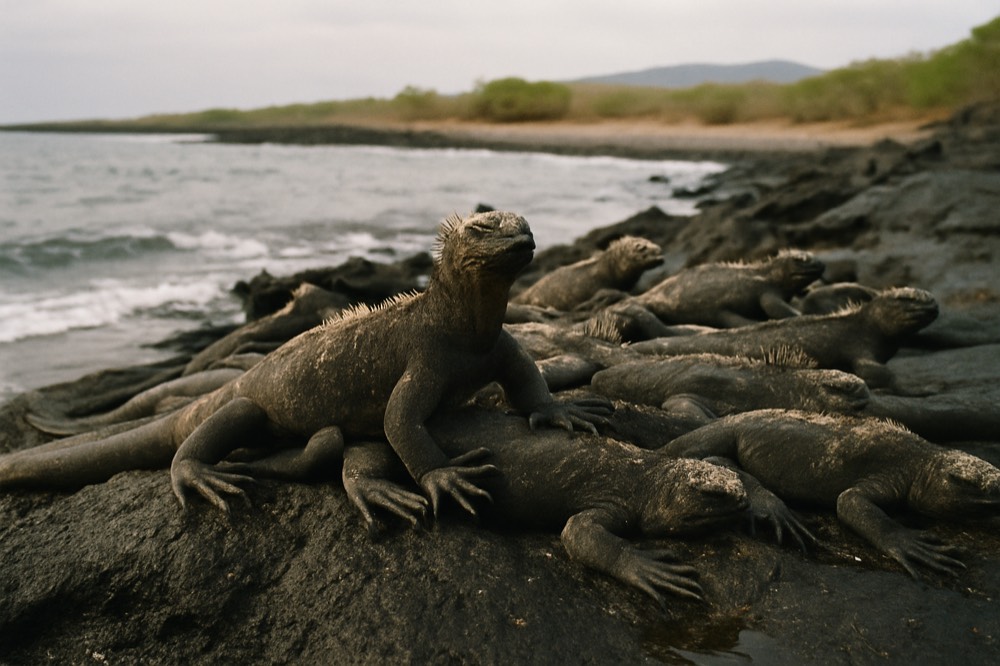
Four days, typically three or four nights, converts to about six visitor sites, all of them in the central archipelago: Santa Cruz plus one or two neighbours such as Isabela, Santa Fe, North Seymour or San Cristobal. You will see giant tortoises, marine iguanas, sea lions and snorkel sites in quantity, but you will not reach Fernandina, Espanola or Genovesa, which sit outside a short trip's range.
Four-day packages are the volume sellers of the land-based market, and the roster shows why. The 4 Days Total Experience Tour, from $1385, rating 4.3 from 3 reviews, lands on Santa Cruz with a choice of Bartolome or North Seymour as an optional visit, in a small group with breakfast, lunch and hotel pickup. The 4-Day Galapagos Complete Experience Extra Night, from $1313, rating 4.7 from 15 reviews, covers Santa Cruz, Isabela, Santa Fe and Fernandina with an extra night built in. At the floor of the market, the Galapagos Discovery Premium Bay Tour starts from $450 for four days, rating 4.9 from 24 reviews, though its confirmed stops stay close to Santa Cruz.
What a short trip gives up is not wildlife volume, it is wildlife breadth. The central islands are genuinely rich: sea lions crowd the docks at Puerto Ayora, giant tortoises roam the Santa Cruz highlands, and the snorkelling at Santa Fe or North Seymour is excellent. What you miss are the specialists. Genovesa, the seabird island, and Espanola, home of the waved albatross, whose adults arrive in March and lay from mid-April to late June, both require overnight positioning that a four-day loop cannot fit. Fernandina, the most pristine of the large islands, is effectively cruise-only.
The other trade-off is pace. A four-day package moves fast, often with an inter-island ferry ride on at least one leg, and travellers on recent discussion threads consistently describe the Santa Cruz to Isabela public ferry as the roughest crossing in the archipelago. If you add days, you add buffer, and buffer matters in a place where boats run on fixed schedules and a missed connection can cost a whole day of a four-day trip. Several four-day packages on the roster skip hotel pickup entirely, which adds another moving part you have to manage yourself on the tightest possible schedule.
There is one more thing a short trip cannot absorb: a bad weather day. The cool season from June to December brings stronger southeasterly winds, and a cancelled day sailing or a delayed ferry is an inconvenience on an eight-day trip but a quarter of your itinerary on a four-day one. Travellers who run short trips in the shoulder months routinely advise building in one slack half-day, which is exactly what the extra-night variants on the roster are for. The 4-Day Complete Experience Extra Night exists as a product precisely because enough buyers found the standard four-day version too tight.
| Nights | Approx. landings | Realistic island coverage | What stays out of reach |
|---|---|---|---|
| 3 | 4-5 | Santa Cruz plus one neighbour | Isabela's west, Genovesa, Espanola |
| 4 | 6 | Santa Cruz, Isabela or San Cristobal, one day site | Genovesa, Espanola, Fernandina |
| 5-6 | 8-11 | Three inhabited islands plus Bartolome or North Seymour | Fernandina, sometimes Espanola |
| 7-8 | 12-14 | Central islands plus Espanola or Genovesa | Only the longest cruise transits |
| 10-15 | 18-25 | Everything, including the far west and south | Nothing on the authorised map |
What A Week Changes
Seven to eight days roughly doubles a short trip's landing count to about fourteen sites and brings the outer islands into play: Espanola in the south, Genovesa in the north, or the beginning of the western route. This is the length at which a cruise starts to outperform island hopping on coverage, because a liveaboard can reposition overnight and land twice a day without wasting daylight on transit.
A week is where the two formats genuinely diverge. A land-based week still spends real time on ferries and hotel changes, so its effective landing count grows more slowly than its day count. A cruise week spends its nights moving. The 7-Day Isabela II Cruise, from $6137, rating 4.9 from 31 reviews, strings together San Cristobal, Santa Cruz, Isabela, North Seymour, Floreana, Espanola and Fernandina in one loop, a combination no land-based week can copy. The 7-Day La Pinta Cruise, from $8066, rating 5 from 48 reviews, covers Santa Cruz, Isabela, Floreana, Fernandina, Rabida and Baltra.
Price explains why the choice is not automatic. Cruise weeks start above six thousand dollars on this roster while land-based weeks cluster between $1,650 and $2,898, and the national park's own numbers say most visitors follow the cheaper path: 79% of 2025 visitors slept on land. A land-based week still buys Espanola or Genovesa if the package includes a day flight or a positioning night, and several eight-day hopping packages on the roster confirm Espanola in their stops, including the 8-Day Five-Island Adventure from $2830 and the 8-Day Galapagos Adventure from $2898.
There is also a comfort argument for the middle lengths. Traveller reports across recent seasons repeatedly mention two regrets: booking too short, and underestimating how tiring daily double-landings become. Seven days is long enough that a wet landing in the morning and a hike in the afternoon still feel like a holiday, short enough that nobody in the group starts skipping excursions to sleep. One traveller who did both formats put the cruise side bluntly in a recent thread: the cruise was, in their words, vastly superior in every way. Another in the same thread preferred the land-based portion for its flexibility and freedom. Both are describing the same week from different seats, which is why the honest comparison is about sites and cost, not about a winner.
If you want a deeper comparison of the two formats, our guide to cruise versus land-based packages breaks the trade-off stop by stop.
When The Second Week Starts Paying Off
Trips of ten to fifteen days are the only ones that comfortably include the far western islands, Fernandina and Isabela's west coast, alongside Espanola and Genovesa, because each of those regions costs several days of positioning. Beyond about fifteen days the returns flatten: you will have visited the majority of sites a tourist itinerary can legally reach, and the official ceiling on foreign-vessel itineraries is fifteen days anyway.
The fifteen-day figure is not a convention, it is in the regulation. The Reglamento a la LOREG allows a foreign yacht or vessel at most two visit itineraries, on different dates, each with a maximum duration of fifteen days. Cruise itineraries are also fixed by law: an approved DPNG itinerary cannot be modified under any circumstances without express park authorisation, and only vessels under 20 passengers may change itinerary at all outside proven force majeure. A long trip is therefore a commitment to a printed route, not a menu.
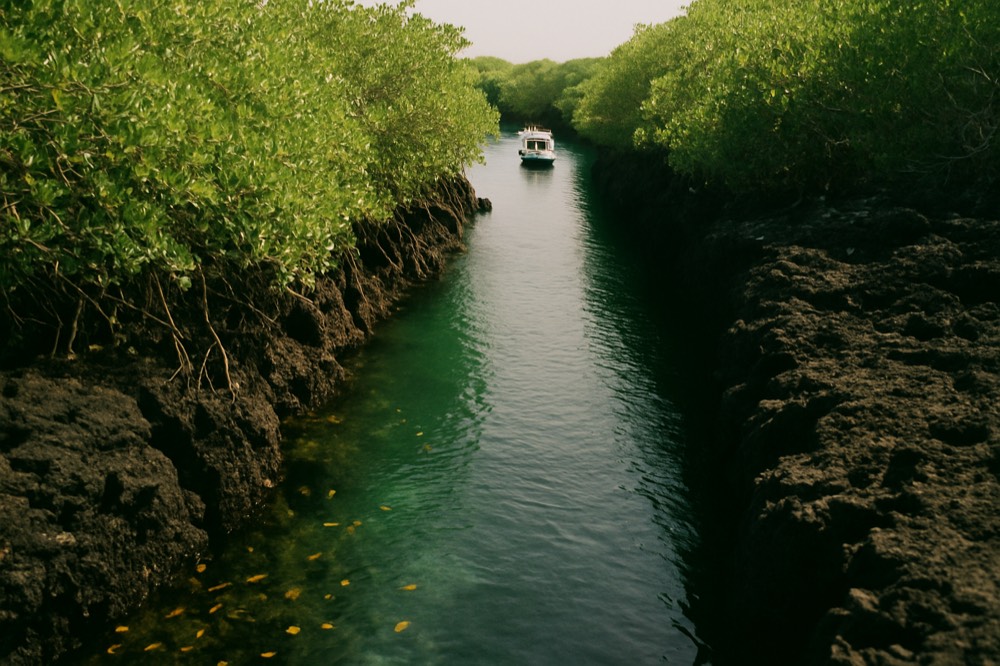
Who actually books the second week? Two groups. Wildlife specialists who want the western islands, where the Galapagos penguin and the flightless cormorant live around Fernandina and Isabela, and combination travellers who bolt the Galapagos onto Quito or Machu Picchu. The roster reflects both: a 10-Day Machu Picchu combo from $2927.11 and a 12-Day Cusco and Galapagos trip from $4495 sit alongside pure 9- and 10-day hopping packages from $2,287. Our guide to Galapagos and mainland Ecuador combinations covers when that merge makes sense.
The western islands carry a specific pull for birders and photographers. The Galapagos penguin is the only penguin that lives and nests on the equator, and the flightless cormorant is the only cormorant to have lost flight; both are listed as threatened. The park's 2025 monitoring counted 391 penguins and 656 cormorants, so encounters are special rather than guaranteed, and the longer your route spends in that region the better your odds. That is a real argument for the second week that no short trip can answer.
The honest warning about the second week is diminishing intensity. The first week of a Galapagos trip delivers something extraordinary almost daily. The second week delivers more of the same at a gentler slope, and sea conditions matter more: the cool season from June to December is when the southeasterly trades strengthen, per the Charles Darwin Foundation's climate record, and long western transits take the full force of that wind. Travellers who run ten-day trips in August and September report more swell complaints than those on the same routes in March. No reliable wave-height figure exists for these waters, so plan on season and wind rather than statistics.
How Budget And Season Interact With Trip Length
Longer trips cost more per night than a naive multiplication suggests, because the fixed extras, the $200 park fee, the $20 transit card and the mainland flights, do not scale with days. A four-day trip carries the same $220 per person in entry costs as a twelve-day trip, which means every extra day dilutes the fixed overhead and the per-day cost falls even as the total rises.
The park fee is paid in cash, US dollars, to rangers on arrival at Baltra or San Cristobal, and there is no official online prepayment portal, so it needs to be in your pocket regardless of trip length. The transit card is bought at the CGREG counter at Quito or Guayaquil airport before check-in, with free online pre-registration to speed it up. Neither is usually inside the package price, and on this roster the listings mostly do not state whether the park fee is included, so treat both as a flat add-on when comparing a short trip against a long one.
| Trip length | Typical package price range on this roster | Fixed extras per person | Effective cost per day |
|---|---|---|---|
| 3-4 days | $450 to $1,600 | $220 plus flights | Highest of any length |
| 5-6 days | $1,108 to $1,999 land-based | $220 plus flights | Mid |
| 7-8 days | $1,650 to $2,898 land-based; $6,137 to $8,066 cruise | $220 plus flights | Mid to low |
| 9-12 days | $2,287 to $4,495 | $220 plus flights | Lowest per day |
Season shifts the arithmetic too. Foreign demand peaks March to April, when the sea is warmest, 25.7 C as the 1991 to 2020 March mean at Puerto Ayora, and the annual trough is September, when the sea sits at 21.5 C. A longer trip in the shoulder months buys quieter sites and cooler water, which is a fair trade for snorkellers who pack a wetsuit and a fair warning for those who do not. The same logic applies to the Ecuadorian peak in August: a domestic-crowded month is easier to absorb on a ten-day trip with slack than on a four-day sprint. If your dates are flexible, our piece on the best month to cruise the Galapagos goes month by month.
One budget note on the long end: the most expensive package on this roster, the 7-Day La Pinta Cruise at $8,066, is not the longest. Length and luxury are separate axes. A twelve-day combination trip can cost less than half a top-end cruise week, so decide the length first, on the landing-count logic above, and only then decide how much comfort to buy inside it.
A final practical point on length and logistics: the longer the trip, the more the small print matters. Cancellation terms, meal inclusions and pickup coverage vary wildly across the roster at every length, from the free-cancellation private 7-day hopping package at $1,650 to the no-pickup 6-day and 8-day hopping runs. On a short trip a missing pickup is an annoyance; on a long one, a package without hotel pickup or without dinners can quietly add hundreds of dollars and hours of coordination. Read the inclusions against your length before you compare prices, not after.
That is the whole method behind Galapagos Islands Tour Packages: match the number of days to the sites you refuse to miss, then let the format follow. If the three tours above cover your must-see list, one of them is your answer. If they do not, the length you need is longer, and it is better to know that now than on day four of a loop that never reaches the island you came for.
Common Questions About How Many Days You Need In Galapagos
How Many Days Is Enough In Galapagos?
Five to eight days suits most travellers, buying roughly eight to fourteen visitor sites across two or three islands plus, on the longer end, one outer island such as Espanola or Genovesa. Four days is workable for the central islands, and ten to fifteen days is the range that brings the western islands into reach. Beyond fifteen days there is little left that a tourist itinerary can legally add.
Is Four Days In The Galapagos Worth It?
Yes, if you accept its limits. Four days converts to about six landings, enough for giant tortoises, sea lions, marine iguanas and two or three snorkel sites around Santa Cruz, Isabela or San Cristobal. It cannot reach Fernandina, Genovesa or Espanola. As a first taste or a budget entry point it works; as your only chance to see the archipelago's specialists, it is short.
Do Cruises Or Island Hopping Give You More Sites Per Day?
Cruises, once the trip passes about a week. A liveaboard repositions overnight and lands twice a day, while a land-based trip spends daylight on ferries and transfers. On short trips the gap is small because everything is central anyway; on seven-plus day itineraries a cruise can cover the central islands, Espanola and Fernandina in one loop, a combination no hopping package matches.
How Many Days Do You Need To See The Western Islands?
Plan on ten or more days for a comfortable western route, or a dedicated seven-day western cruise. Fernandina and the west coast of Isabela sit at the end of long transits, which is why five-day western cruises exist but four-day land packages never confirm Fernandina. The western islands are where Galapagos penguins and flightless cormorants concentrate.
Does The Length Of Trip Change The Fees You Pay?
No. The $200 park entry fee for foreign adults and the $20 transit control card are flat per-person costs paid regardless of whether you stay three nights or twelve. Longer trips therefore have a lower cost per day once those fixed items are spread across more nights. The tourist stay limit is 60 days per calendar year, far above any package on the market.
Is A Longer Galapagos Trip Always Better?
No. Coverage flattens after about two weeks because itineraries are legally capped at fifteen days and the reachable site list is finite. Fatigue is real too: daily double landings wear on many travellers by day eight. The best length is the shortest one that includes the specific sites you refuse to miss, which for most people is somewhere between five and eight days.