Can You Do The Galapagos Without A Tour?
Yes, you can visit the Galapagos without a tour, but the law requires a licensed guide at most protected sites. Here is exactly where independence works and where it does not.
 By Oleg Galeev, Editor
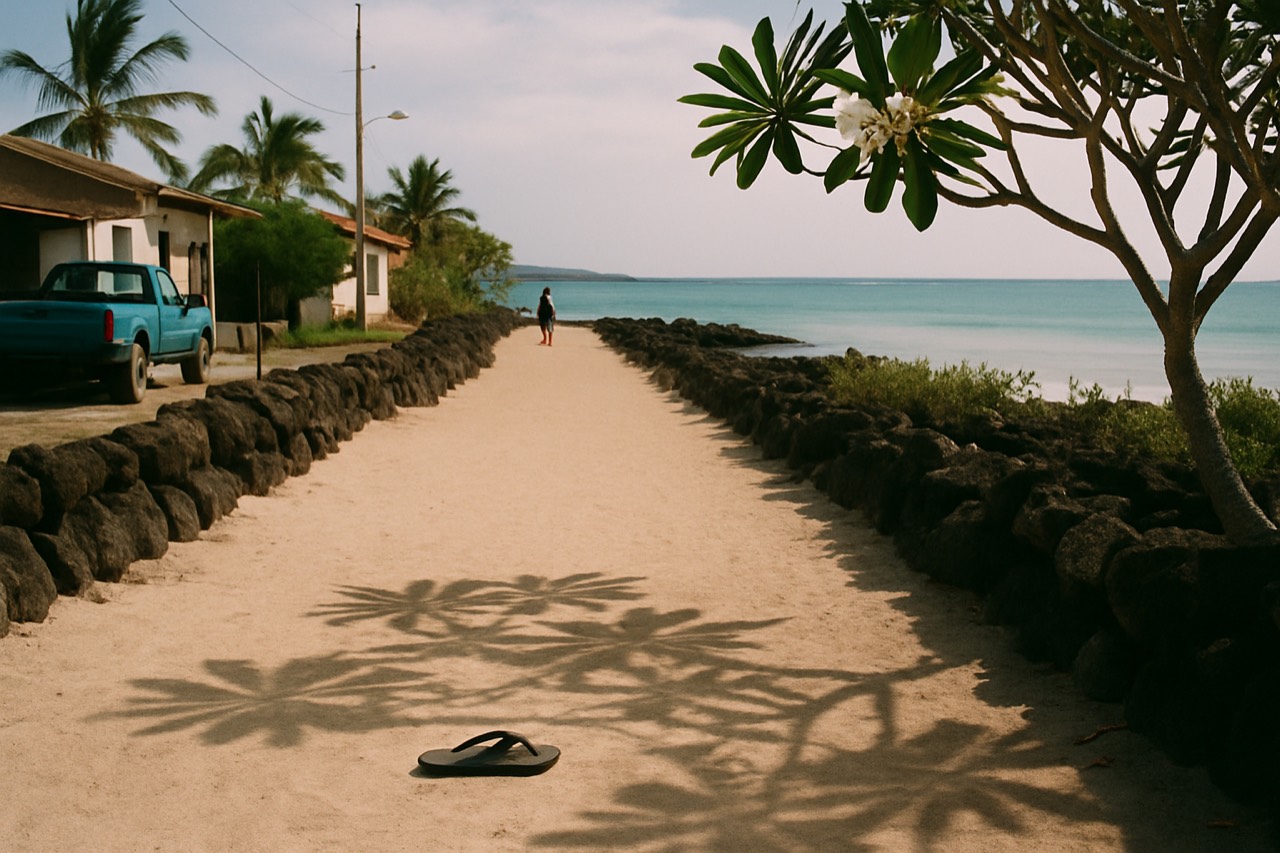
Yes, you can, and roughly four out of five visitors already do: 79 percent of Galapagos arrivals stay on land rather than on a cruise vessel, and much of a town visit needs no guide at all. But the law draws a hard line. Inside the national park, which covers 97 percent of the archipelago's land, a licensed naturalist guide is compulsory at protected sites, so independence gets you a short list of free sites and nothing remote.
That number is worth pausing on, because it contradicts the mental image most travellers carry. The Galapagos is marketed as a cruise destination, yet the park's own annual visitor report shows the overwhelming majority of arrivals sleep in hotels in Puerto Ayora, Puerto Baquerizo Moreno or Puerto Villamil, not in a cabin. Independent, land-based travel is not a fringe strategy here. It is the mainstream one.
What independence does not get you is access. The archipelago holds 176 authorised visitor sites, 91 marine and 85 terrestrial, and the visit rules in force since August 2026 state plainly that visits to protected areas may be made only in the company of a guide accredited by the park directorate, except at sites expressly designated as not requiring one. So the honest answer to this question is a map with two colours on it: a small green zone you can walk into alone, and a large zone that is legally closed to you without a guide.
This article walks that map. It covers which places you can genuinely do alone, what the law actually says, what independent travel costs day to day, where the DIY approach breaks down, and where a package stops being a luxury and becomes the only legal key to the places you came to see.
Which Places Can You Visit Without A Guide?
The guide-free zone is real but compact: the towns and their immediate surroundings. On Santa Cruz that means Puerto Ayora itself, the walk to Tortuga Bay, and a handful of nearby beaches and lookouts. On San Cristobal it means Puerto Baquerizo Moreno and the sites along its coast. Everything beyond, including the famous visitor sites, requires a licensed guide by law.
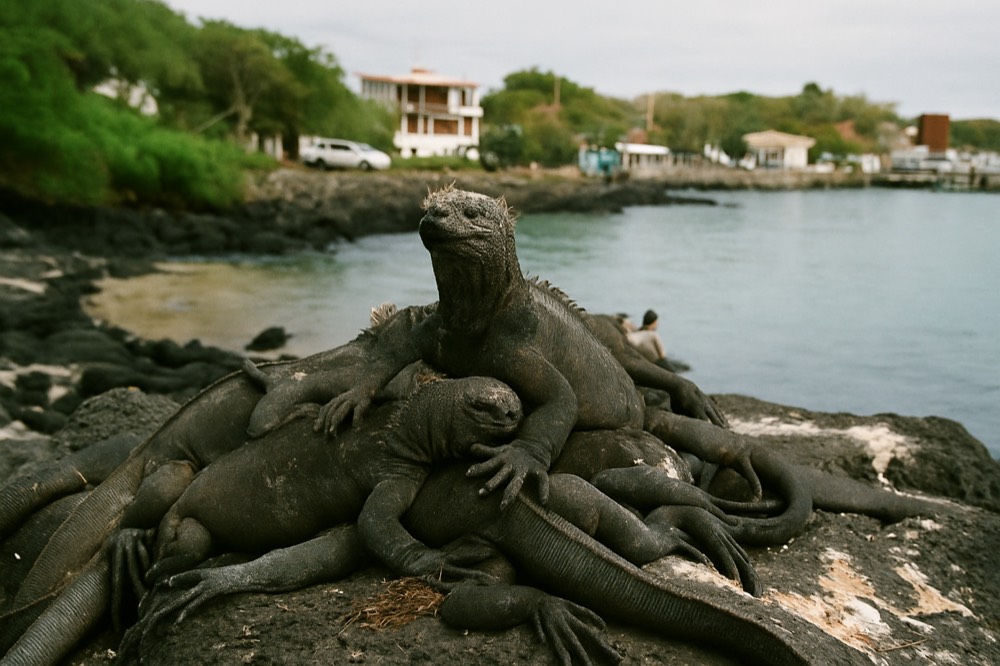
Start with what costs nothing. Tortuga Bay on Santa Cruz is the flagship example: a roughly 40 minute walk from the edge of Puerto Ayora along a marked stone path, free entry, and a genuinely spectacular white sand beach where marine iguanas sun themselves in rows and, at the western end, a calm cove for swimming. You share it with pelicans, finches and the odd sea lion pup. No guide, no ticket, no reservation.
Around town, the free list continues. The Puerto Ayora waterfront has sea lions asleep on benches and on boats. The San Cristobal seafront around Playa Mann and Punta Carola is a short walk from the centre of Puerto Baquerizo Moreno, and sea lions outnumber people most mornings. The interpretation centre on San Cristobal is free. These are not consolation prizes; they are some of the best free wildlife viewing in the world, precisely because the animals have no fear of people.
The boundary is the boundary of the protected area. The park covers 97 percent of the emerged land, declared in 1959, and human settlement is restricted to the remaining 3 percent. Within that 3 percent you are a free agent. Step past it and the rules change instantly: marked trails only, visiting hours of 06h00 to 18h00, a minimum two metres from any animal, four metres when kayaking or on a panga ride, and no sunscreen containing oxybenzone or octinoxate during water activities.
| Site | Island | Guide needed? | Cost to enter alone |
|---|---|---|---|
| Tortuga Bay | Santa Cruz | No | Free, walk from Puerto Ayora |
| Playa Mann and Punta Carola | San Cristobal | No | Free, walk from town |
| Interpretation centre | San Cristobal | No | Free |
| Puerto Ayora fish market and waterfront | Santa Cruz | No | Free |
| Charles Darwin Research Station | Santa Cruz | No | Free, but the Fausto Llerena tortoise route now needs an advance QR reservation |
| Las Grietas | Santa Cruz | Yes, the QR reservation names one guide | Free, booked through a registered agency |
| Volcan Chico | Isabela | Yes, guide required, QR reservation | Booked through a registered agency |
| Bartolome, North Seymour, Kicker Rock, Los Tuneles | Various | Yes, licensed guide | Day tour only |
That table contains the quiet catch that most independent travel guides miss. Since August 2026, six popular sites, the Fausto Llerena tortoise centre on Santa Cruz, the Arnaldo Tupiza centre on Isabela, the David Rodriguez centre on San Cristobal, Las Grietas, Volcan Chico and the Minas de Azufre, require an advance reservation through the park's booking system, and only tourism agencies registered in the province can make those reservations. Each booking issues a single QR code tied to one group, one guide, one date and one time slot. So even the guide-free sites increasingly require a registered local operator somewhere in the loop, which is one reason short guided packages have become the default compromise. The park's own visitor rules page explains the reservation system: the 176 authorised visitor sites are the full list, each with its permitted activities.
What Does The Law Actually Require At Protected Sites?
The instrument to cite is Resolution MAE-PNG/DIR-2026-0044-RM, signed 12 August 2026, and it is unambiguous: visits to the protected areas may only happen in the company of a park-accredited Galapagos naturalist guide, except at sites expressly designated as guide-free. Touching, feeding or chasing wildlife is prohibited, and the minimum distance is two metres on land and in the water.
This is not a guideline operators repeat for marketing. It is a published resolution of the park directorate, printed in the Registro Oficial, and it replaced an earlier version issued in May 2026. The practical consequences run deeper than most visitors expect.
First, the guide requirement is enforced at the site, not at the point of sale. You cannot walk into the Bartolome trailhead or land at North Seymour without a guide standing next to you, because there is no mechanism for being there alone. Day boats check names against permits. Cruise pangas carry a guide by definition. The rule is structural, not advisory.
Second, the guide is not just a wildlife narrator. Guides are licensed and trained by the park directorate, a tour leader must carry a formal authorisation document, and the park actively polices guides and tour leaders at visitor sites. When you book a guided day tour or a package, the guide's credential is what unlocks the site.
Third, the wildlife-distance and behaviour rules apply to you personally, guide or no guide. Two metres minimum while walking, snorkelling or diving, camera gear included. Four metres from the shore and from the animals during kayak, paddleboard and panga rides. A hundred metres from whales and fifty from dolphins, doubled when calves are present, and no more than 25 minutes watching one group. No flash photography, no drones without prior authorisation, nothing taken from the park, not sand, not shells, not volcanic rock, and everything you generate carried back out with you.
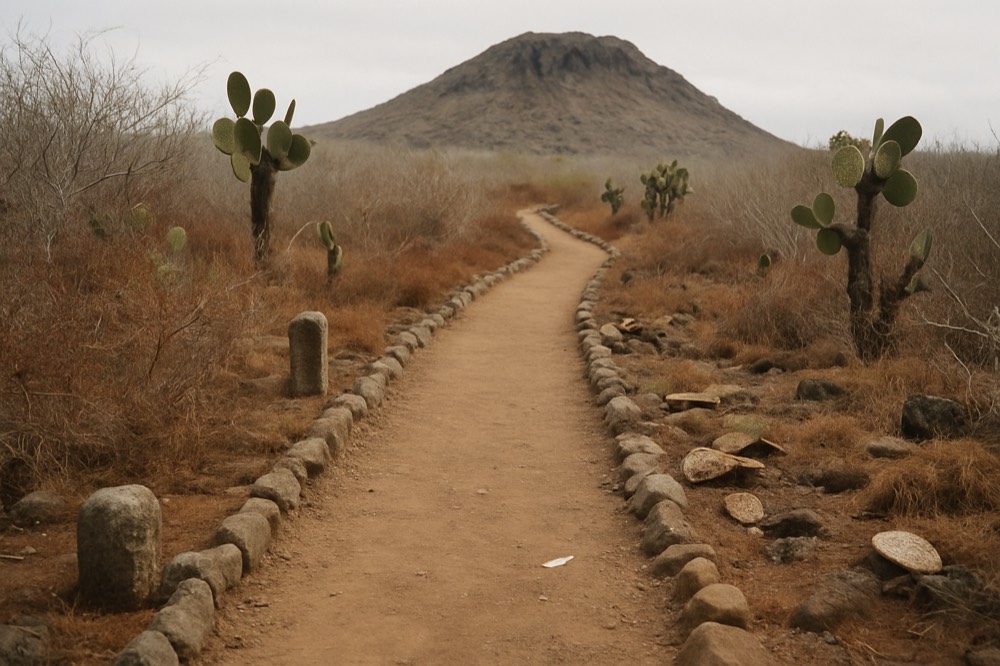
If you want to read the rules yourself, the park publishes them and the current resolution is the one dated 12 August 2026, published in the Registro Oficial's third supplement 368. The full text is on the park's site: the general visit rules and behaviour norms for the protected areas of Galapagos.
There is also a biosecurity layer that applies before you even arrive. Your bags are inspected at Quito or Guayaquil airport before check-in, and again on arrival at Baltra or San Cristobal, by the Galapagos biosecurity agency, and the inspection is repeated at the boarding docks before inter-island travel. The agency's official standards page sets out the three steps, including the sworn goods declaration you hand to an inspector on arrival: biosecurity standards for entering the Galapagos Islands. Fresh produce is the classic casualty; check the official product list before you pack.
How Much Does Independent Travel Cost Compared To A Package?
Count every line and the gap narrows sharply. The fixed extras are the same either way: a $200 park fee in cash on arrival, a $20 transit control card, and mainland flights. Independent travel then adds hotel nights, meals, and day tours at typical listed prices, which stack up fast enough that a 4-day guided package from $450 per person with all meals can cost less than doing it alone.
Start with the fixed costs, because they are identical for every traveller regardless of style. The park entrance fee for a foreign adult is US $200, paid in cash, in US dollars, to park rangers at Baltra or San Cristobal airport on arrival. There is no online prepayment portal for it, so you need clean notes in hand. The transit control card is US $20 per person, bought at the government counter at Quito or Guayaquil airport before check-in; free online pre-registration speeds up the counter visit, but individual travellers still pay there. Under-twelves pay $100 for the park fee, and under-twos are exempt.
Then the independent budget builds like this. A modest hotel room in Puerto Ayora runs somewhere in the tens of dollars per night at the simple end and considerably more in high season. Meals add up daily. And then the killer line: the day tours that reach the sites you cannot reach alone. A guided day trip to a highlight site such as Bartolome or a bay tour is a per-person, per-day cost, and travellers on forums repeatedly report the surprise that a stack of day tours approaches or exceeds the per-day rate of a short package. One recurring thread of regret in traveller reports is booking too many separate day excursions and discovering the arithmetic late.
| Cost line | Independent, 4 days, per person | Guided 4-day package, per person |
|---|---|---|
| Park fee, foreign adult | $200 cash on arrival | $200 cash on arrival |
| Transit control card | $20 at the airport counter | $20 at the airport counter |
| Mainland flights to Galapagos | Booked separately | Booked separately unless the listing says included |
| Accommodation, 3 nights | Paid separately | Included |
| Meals | Paid separately | All meals on the Discovery Premium Bay Tour |
| Guided day tours to protected sites | Paid per excursion, often the largest line | Included in the itinerary |
| Airport and inter-island transfers | Public bus and ferry fares, or taxi shares | Hotel pickup where the listing confirms it |
The package in that comparison is the Galapagos Discovery Premium Bay Tour, 4 days and 3 nights, from $450 per person with breakfast, lunch and dinner included, rated 4.9 across 24 reviews. Its confirmed stops include Santa Cruz, Isabela, North Seymour and Baltra, which means it covers guided ground that an independent traveller would otherwise have to buy back one day tour at a time. For a fuller comparison of package pricing across every length, the guide to what a Galapagos package costs breaks the numbers down by trip length.
Where Does The DIY Approach Actually Break Down?
Three places, predictably: the remote visitor sites, the sea crossings, and the schedule. The famous sites, Fernandina, Espanola, Genovesa, the western islands, are cruise-only or long-navigation territory that no day trip from town can reach. Inter-island ferries are the roughest legs travellers report. And last-minute day-tour availability in peak weeks can leave an independent plan with empty days.
The remoteness problem is the fundamental one. The archipelago is 127 islands, islets and rocks, of which 19 are large and only 4 are inhabited, lying about 1,000 kilometres from the mainland. The inhabited islands are Santa Cruz, San Cristobal, Isabela and Floreana, and everything a land-based traveller does radiates out from those four towns. The uninhabited highlights, Genovesa with its red-footed boobies, Espanola with the waved albatross colony, Fernandina with its dense wildlife and black lava flows, sit beyond the reach of any day boat from Puerto Ayora. Only a multi-day cruise itinerary reaches them, which is why cruise packages exist at all and why the question of cruise versus land-based travel is really a question about which half of the archipelago you are willing to miss. The guide to choosing between a cruise and a land-based package maps that trade-off in detail.
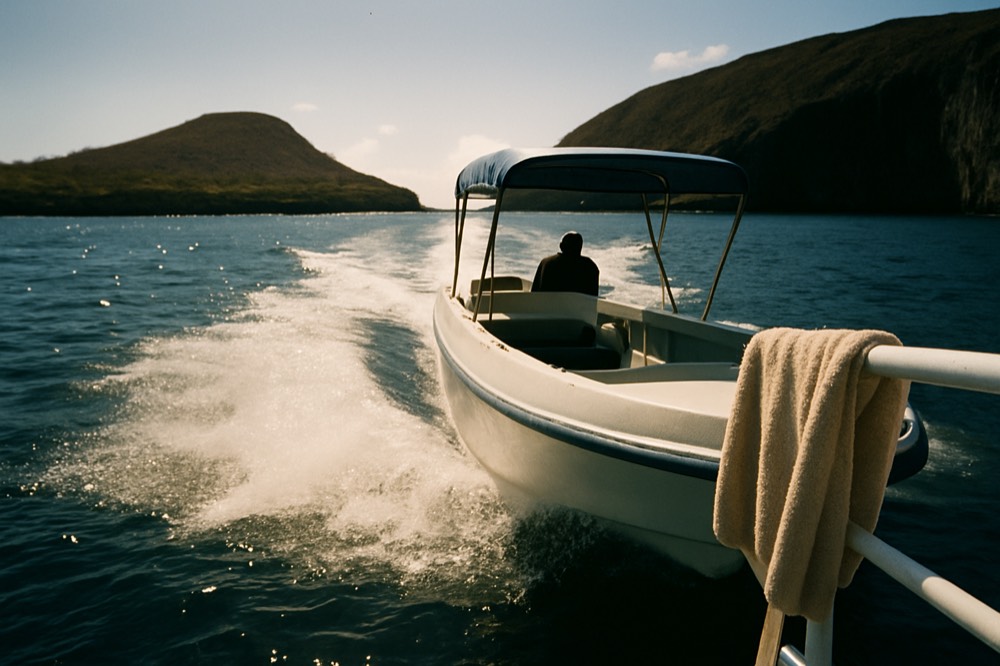
The sea problem is seasonal. The cool season, June to December, is the period when the southeasterly trade winds strengthen, and stronger winds mean rougher water, especially on the inter-island public ferries. Traveller reports consistently single out the Santa Cruz to Isabela ferry as the roughest regular crossing in the archipelago, rougher than most cruise legs and most day boats. Anyone prone to motion sickness should start medication the night before, and anyone building an independent plan should leave buffer days rather than stacking a ferry, a day tour and a flight back to back. No wave-height figure is worth quoting here; the archipelago's own wave buoy is out of service and the nearby NOAA buoys measure tsunamis, not surf. The wind mechanism is the honest, sourced version of the same advice. The rest of the planning pages sit on Galapagos Islands Tour Packages.
The schedule problem is quieter but real. Day tours to the best sites have limited seats, because permits cap a day tour at 16 passengers. In the March to April foreign peak, or the August Ecuadorian peak, the popular excursions sell out, and an independent traveller can arrive to find the three days they have are not the three days the tours run. A package pre-solves this: its itinerary, its permits and its guide are locked before you fly.
When Does A Tour Stop Being Optional?
The moment your priority list contains any site beyond the towns and free beaches, a tour is not a choice but a legal requirement, and for the remote islands it is a cruise specifically. The park's permit rules cap a cruise vessel at 64 passengers and each permit at 16, and itineraries are fixed by park resolution, so the ship you book is the route you get.
Consider what a cruise itinerary buys that nothing else can. A seven-day route can chain the central islands with the far west or the south, landing at sites on Fernandina or Isabela's west coast where penguins and flightless cormorants concentrate, then Espanola or Floreana, all with the guide, the permits and the landing craft already arranged. The La Pinta seven-day cruise, Darwin's Legacy route, runs from $8,066 per person, rated 5.0 across 48 reviews, with confirmed stops including Santa Cruz, Isabela, Floreana, Fernandina, Rabida and Baltra. That is the ceiling of what is reachable in a week, and there is no independent version of it at any price.
Below that ceiling, the middle ground belongs to land-based packages, which is where most of the market actually lives. Remember the split: 79 percent of visitors stay on land. A package such as the 4-day Santa Cruz and Bahia tour, from $689 per person with free cancellation, rated 4.2 across 25 reviews, handles the guided components and transfers while you sleep in a bed rather than a cabin. It is the format that answers this article's question most directly: independent in feel, guided where the law demands it.
The pattern to notice across the whole roster is that trip length, not luxury, is the main price driver. A three-day taste is possible, five days is the common comfortable minimum, and eight to ten days is what travellers who have done both say they would book next time, because the regret that recurs most in traveller reports is not spending too much but going too short and missing the remote sites. The question of how many days is enough in the Galapagos has its own full treatment.
So Should You Go Alone Or Book Something?
Go alone if your trip is short, your budget is tight and your wildlife goals are satisfied by towns, beaches and one or two day tours. Book a package if your list includes the famous sites, and book a cruise if it includes the remote ones. Many travellers split it: independent days in town at either end, guided days in the middle.
The hybrid is genuinely the best answer for most people, and the data says most people have already voted for something like it. Arrivals in 2025 totalled 290,404, up 4 percent on 2024, and the first half of 2026 ran 9 percent ahead of the same period a year earlier, so the islands are busy and getting busier. The United States supplies 29 percent of all arrivals, 47 percent of the international market. Demand peaks twice, March to April for foreign visitors and August for Ecuadorians, and September is the annual trough, which makes it both the quietest month to walk into Tortuga Bay alone and the month with the calmest booking situation.
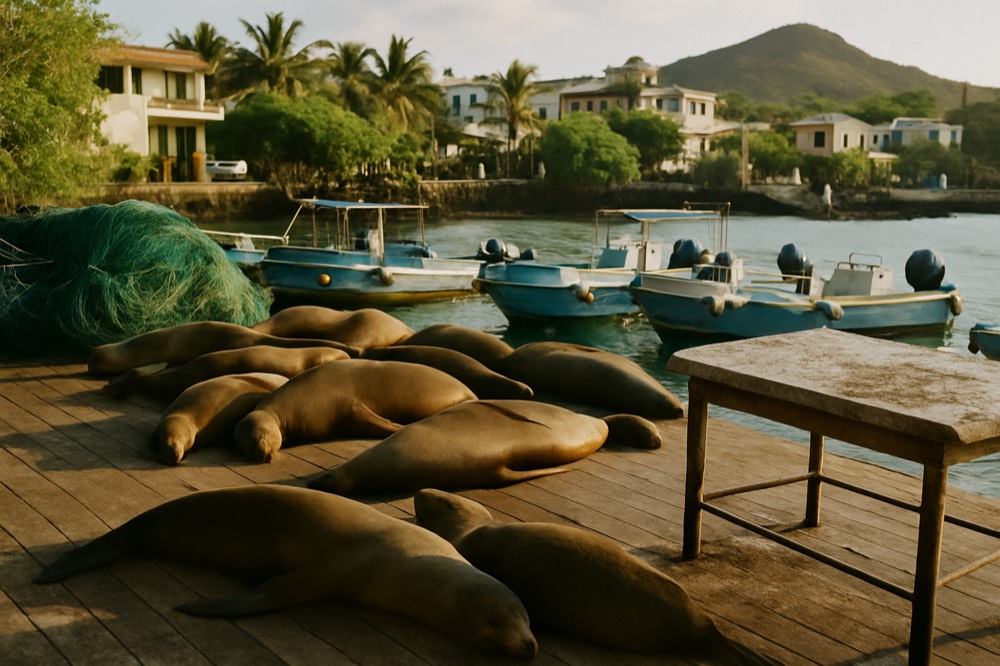
A workable hybrid looks like this. Fly in, pay your $200 and your $20, and give yourself a free day in Puerto Ayora or Puerto Baquerizo Moreno to walk to the beaches and watch the sea lions at no cost. Then hand the protected sites to a guided package for the middle days, whether that is a four-day bay tour or a longer hopping itinerary, and keep a final free morning for the waterfront before flying out. You get the independence you wanted, the wildlife you came for, and no surprise at the trailhead.
Whatever you choose, the entry mechanics are fixed. Arrive at the mainland airport three hours before your flight for the biosecurity and transit card process. You cannot fly to Galapagos on a one-way ticket; the government requires a personal, non-transferable return ticket between the mainland and the province, within the 60-day maximum stay. US, UK and Canadian passport holders get 90 days visa-free in any 12-month period, with six months of passport validity, and no vaccinations are required. The US State Department's own country page states those entry facts plainly: Ecuador entry requirements.
Common Questions About Doing The Galapagos Without A Tour
Can You Do The Galapagos Without A Tour?
Yes. You can fly in, pay the park fee and transit card, and enjoy the towns, free beaches and waterfront wildlife entirely on your own, as most of the 79 percent of visitors who stay on land partly do. But a licensed guide is legally required at the protected visitor sites, so the famous highlights can only be reached through a guided day tour or package.
Do I Need A Guide To Visit Tortuga Bay?
No. Tortuga Bay is a free, guide-free site, reached by a marked walking path from Puerto Ayora in roughly 40 minutes. General park rules still apply there, including the two-metre minimum distance from wildlife.
Can I Visit The Giant Tortoise Breeding Centres On My Own?
You can visit the town-adjacent areas alone, but the Fausto Llerena route on Santa Cruz, the Arnaldo Tupiza centre on Isabela and the David Rodriguez centre on San Cristobal now require an advance QR reservation through the park's booking system, and only agencies registered in Galapagos province can make those reservations.
Is It Cheaper To Travel Independently In The Galapagos?
On fixed costs, no difference: everyone pays the $200 park fee and the $20 transit card. Independent travel saves on hotel and meal choices but pays per excursion for guided day tours, and stacked day tours often approach the per-day cost of a short all-inclusive package, which can start from $450 per person for four days.
Can An Independent Traveller Reach Fernandina, Genovesa Or Espanola?
No. Those islands have no towns and no day-boat access from the inhabited ports. They are reached only by multi-day cruise itineraries, which is the main reason cruises exist alongside land-based packages.
What Documents Do I Need To Enter The Galapagos Independently?
A passport valid six months, a return ticket between the mainland and the islands, the $20 transit control card bought at the Quito or Guayaquil airport counter, and $200 in cash US dollars for the park fee on arrival. US, UK and Canadian citizens get 90 days visa-free in Ecuador.