Galapagos Scuba Diving Tours And Packages Explained
Three very different products get sold under the label Galapagos scuba diving tours, and picking the wrong one is the most common mistake divers make when booking the islands.
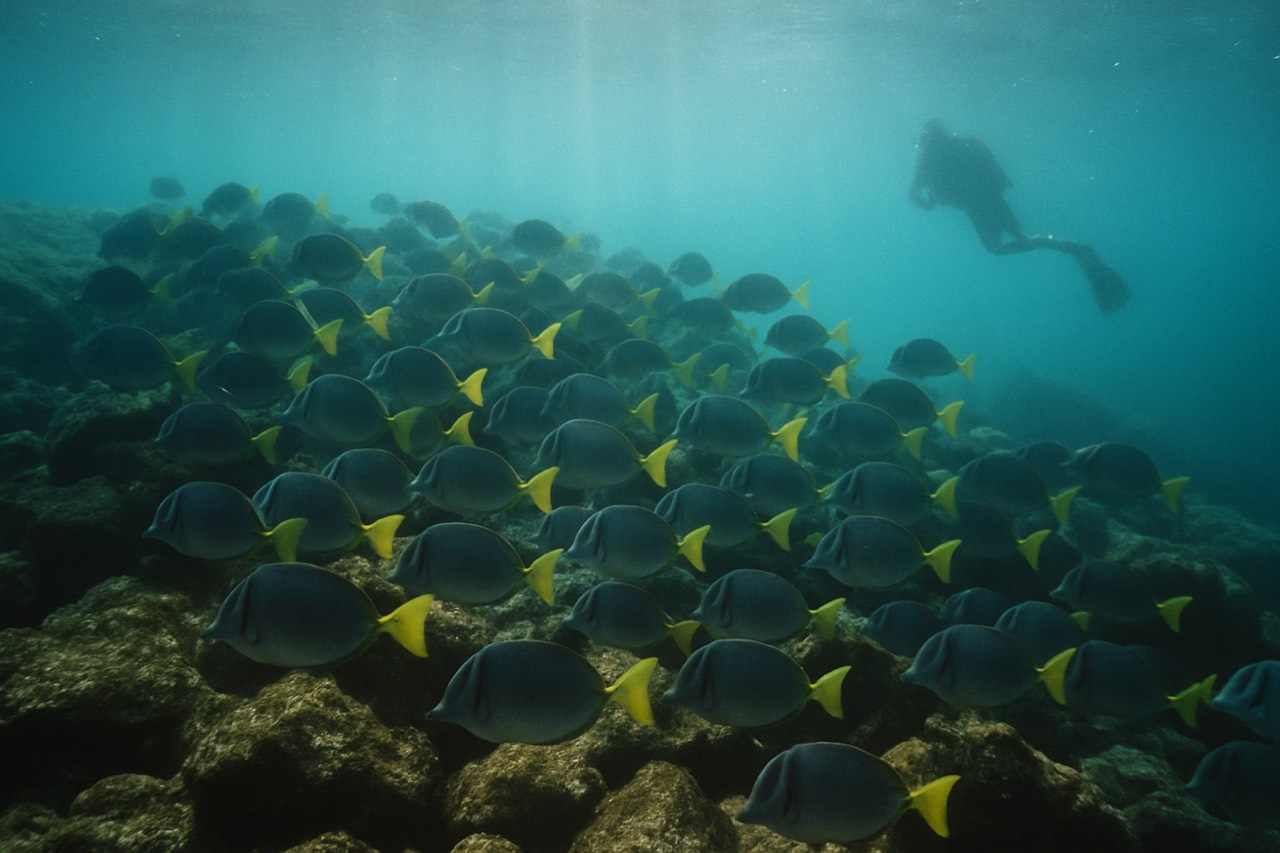
Short answer
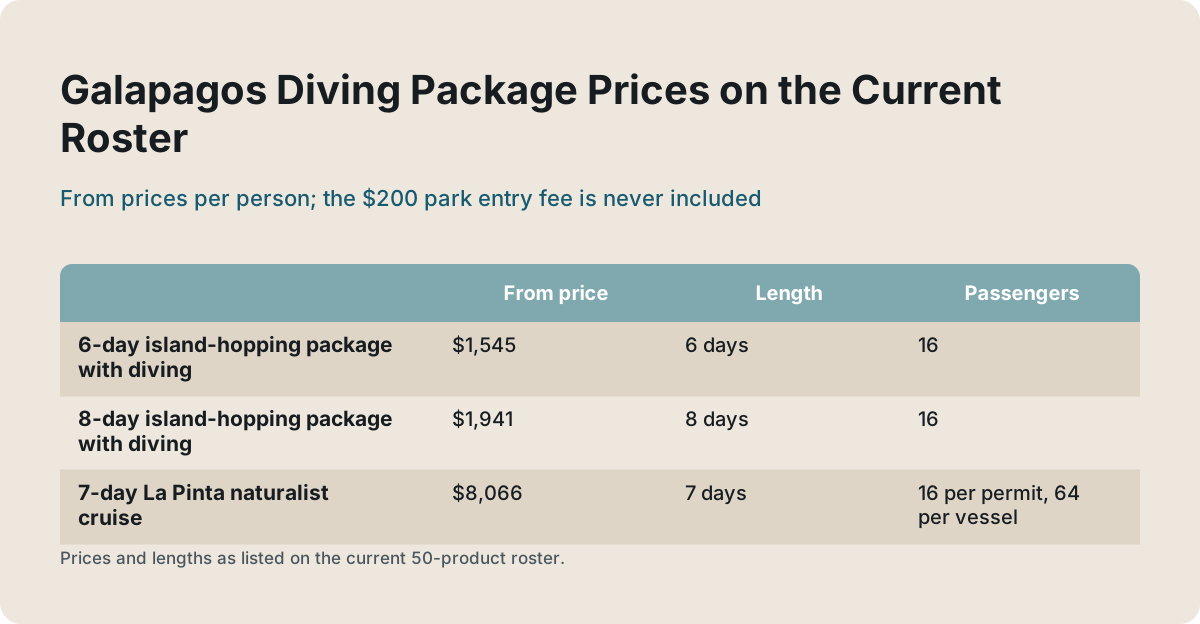
Galapagos diving packages span from $1,545 for a 6-day dive-focused island-hopping trip to $2,600 for a 7-day small-group diving and hiking tour. Day dive tours carry at most 12 passengers per permit, liveaboard dive cruises 16, and the $200 park fee and $20 transit card are paid separately by every diver.
The phrase "Galapagos scuba diving tours" gets used for at least three products that share almost nothing: a day boat out of Santa Cruz or San Cristobal that puts you underwater for two or three dives and returns you to a hotel bed, a multi-day island-hopping package built around scheduled dives at several islands, and a naturalist cruise whose confirmed program is snorkelling and land walks with, at most, a dive option on the side. A diver who books the third expecting the first spends a week looking at the water rather than being in it.
This guide separates the three, states what the park's own rules permit, and shows what each format costs on the current roster. The short version: dive day tours are capped at 12 passengers per permit, liveaboard dive cruises at 16, and no Galapagos package price you see advertised includes the $200 park entry fee, which rangers collect in cash at the airport.
What Counts As A Galapagos Diving Package?
A Galapagos diving package is any multi-day tour whose confirmed program includes scheduled scuba dives, which on this roster means two products: a 6-day island-hopping trip with diving from $1,545 and a 7-day small-group diving and hiking tour from $2,600. Naturalist cruises, even expensive ones, are not diving packages unless the listing itself confirms dives, and most do not. The distinction matters because the park regulates dive tourism separately from every other modality, with its own permits, its own passenger caps, and its own operating hours, so a product either holds dive permits or it does not, and no amount of money converts a snorkelling itinerary into a dive itinerary on the day.
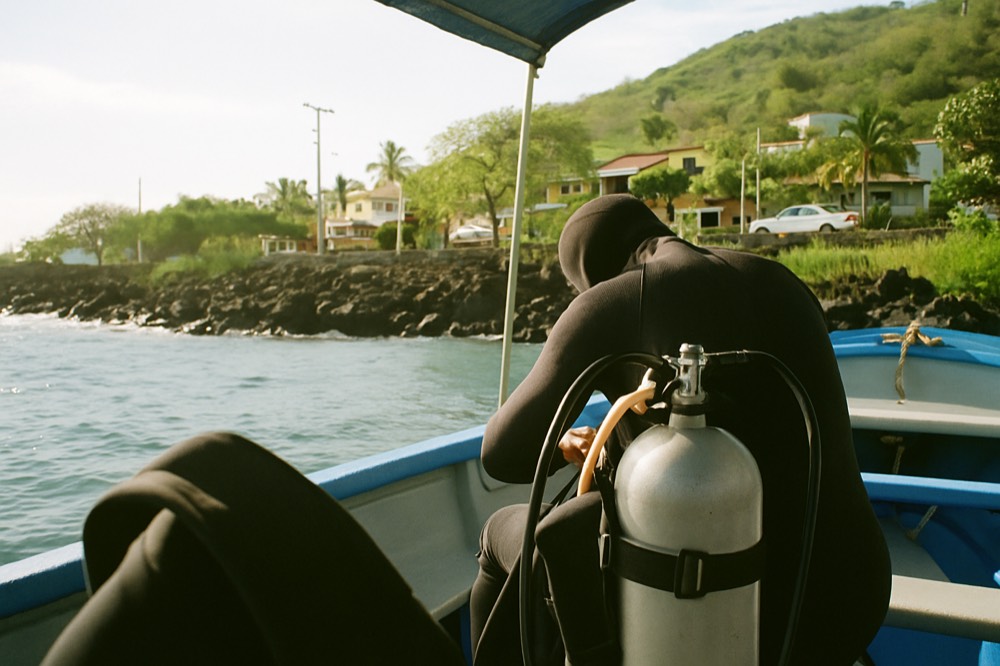
The reason for the separation is pressure on the sites. The Galapagos National Park authorises 176 visitor sites in total, 91 marine and 85 terrestrial, and each site carries a defined list of permitted activities. Diving is only one of the marine activity codes, alongside snorkelling, panga rides, kayaking and night diving at designated sites, and the park's current visit rules, Resolución MAE-PNG/DIR-2026-0044-RM of 12 August 2026, govern all of them. A dive operator works inside that frame or not at all.
For a buyer, the practical test is simple and worth applying to every listing: does the confirmed itinerary name dives, or does it name snorkelling? If the answer is snorkelling, budget for separate day dives booked locally, and read on, because that option has its own rules.
The Three Products Sold As Galapagos Scuba Diving Tours
The three products are day dive tours from a populated island, dive-focused island-hopping packages that move between islands with dives built in, and naturalist cruises whose confirmed program is snorkelling and landings, where any dive is a side option rather than the point. They differ in price by a factor of five, in passenger caps from 12 to 64, and in what you actually see underwater. Day tours suit divers who want one or two specific sites. Island-hopping dive packages suit divers who want several islands without living on a boat. Cruises suit wildlife watchers who would like to dive once. None of the three is a substitute for the others, and the roster reflects that spread honestly.
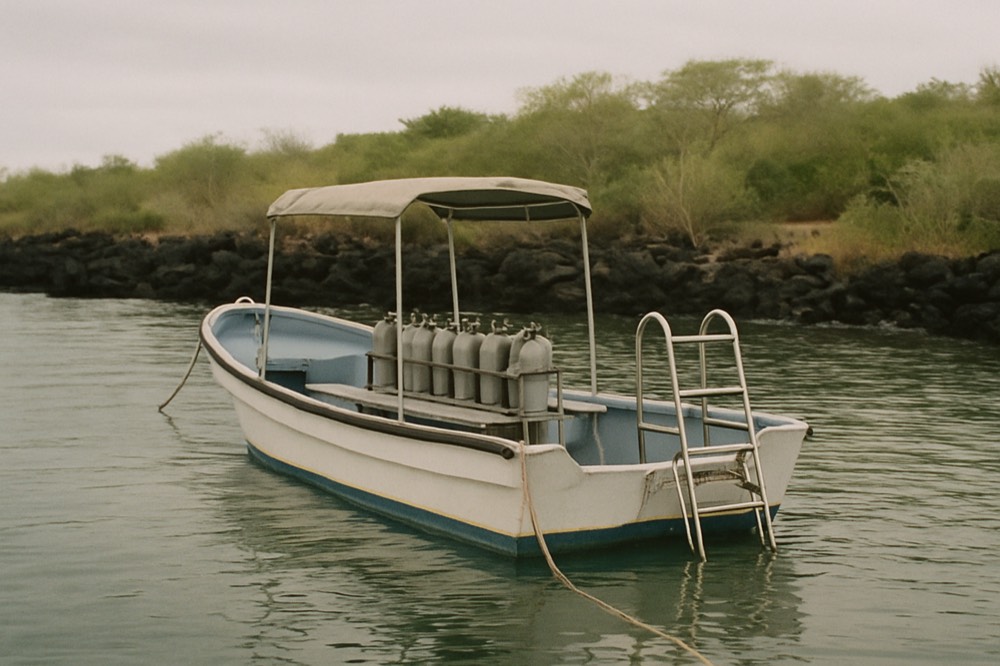
The table below is the comparison to hold in your head while you read listings.
| Product | Where you sleep | Typical length | Passengers per permit | Best for |
|---|---|---|---|---|
| Day dive tour | Hotel on Santa Cruz or San Cristobal | 1 day | 12 | Divers adding one or two dives to a land trip |
| Dive island-hopping package | Hotels on 2 to 3 islands | 6 to 8 days | 16 per dive-cruise permit | Divers who want multiple islands and dive days |
| Naturalist cruise | On board the vessel | 4 to 7 days | 16 per permit, 64 per vessel | Wildlife and snorkelling first, diving optional |
On the current roster, the dive-focused island-hopping packages are the middle row made concrete: a 6-day trip with diving from $1,545 per person and an 8-day version from $1,941. The cruise end is anchored by products like the 7-day La Pinta itinerary from $8,066, which is sold and confirmed as a naturalist cruise, with stops at Santa Cruz, Isabela, Floreana, Fernandina, Rábida and Baltra, and no dives in its confirmed program. Between them sits a 7-day small-group diving and hiking tour from $2,600 that splits the week between the two activities.
If you already know you want to be underwater on most days of the trip, the dive island-hopping packages are the only listings on the roster whose confirmed program says so. If your heart is set on the remote western islands, Fernandina and the west coast of Isabela, a cruise is how you reach them, and diving becomes a secondary question.
Day Diving From Santa Cruz Versus A Dive-Focused Package
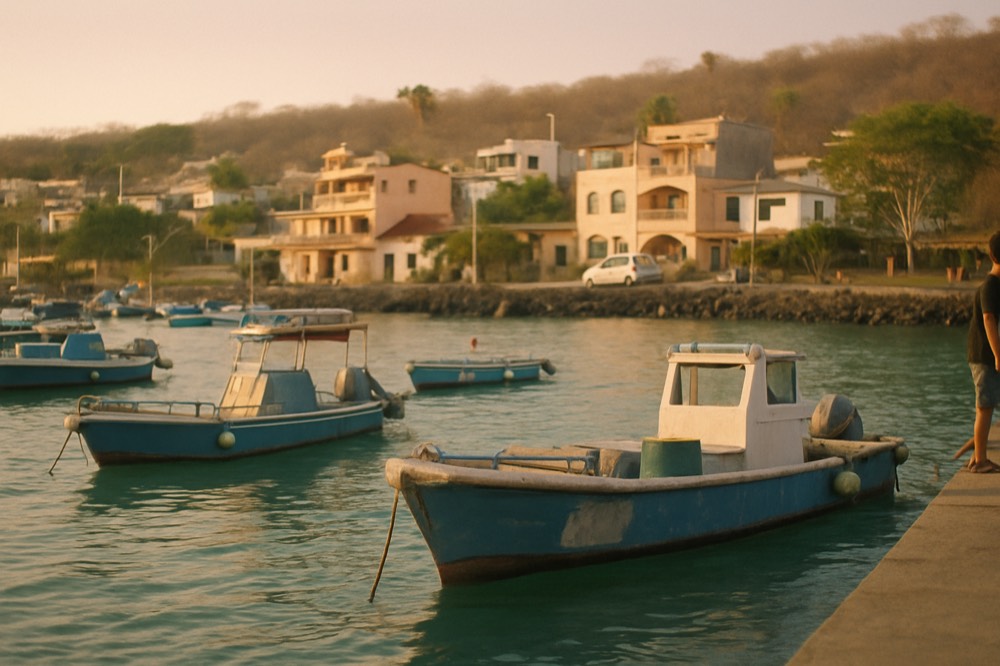
Day diving from Santa Cruz or San Cristobal is the cheapest way into Galapagos water, with a 12-passenger cap per permit and single-day scheduling, but it reaches only the sites within boat range of a populated port. A dive-focused package costs more upfront, from $1,545 on this roster, and buys scheduled dives across several islands plus the hotel nights and most meals around them. Neither option reaches Darwin and Wolf, the famous northern shark sites, which are liveaboard-only territory. What the day tour buys is flexibility: you dive when the weather allows and skip days you do not feel like it.
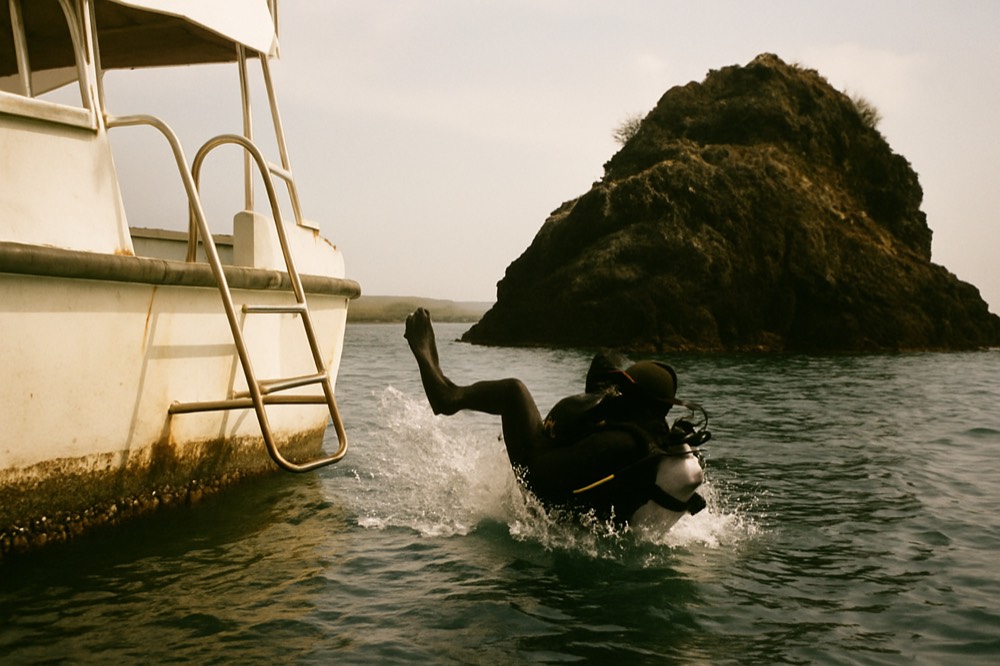
The 6-day island-hopping package with diving is the roster's entry point into the format. It is priced from $1,545 per person, rates 5 from a single review so far, includes breakfast and lunch, and its confirmed stops are Santa Cruz, Isabela, North Seymour and Baltra. That is two dive-capable islands plus the transit hub, which is a realistic shape for a first dive trip to the archipelago: enough variety to see how the marine life changes between the central islands and Isabela's west coast, without committing to a liveaboard.
The 8-day version extends the same idea. It runs from $1,941 per person, also rates 5 from one review, includes breakfast and lunch, and its confirmed stops are San Cristobal, Santa Cruz, Isabela, North Seymour and Baltra. The extra days matter more than the extra stops, because they create buffer for the inter-island transits, which travellers consistently report as the roughest legs of any land-based Galapagos trip. A week with two spare half-days absorbs a cancelled dive far better than a six-day sprint.
One honest caution about the review pool: across the whole 50-product roster there are 381 reviews in total, and both dive packages above carry a single review each. A 5 from one diver is a real data point, not a consensus, so weight the itinerary and the inclusions more heavily than the star rating when comparing.
What The Park Rules Actually Allow A Diver To Do
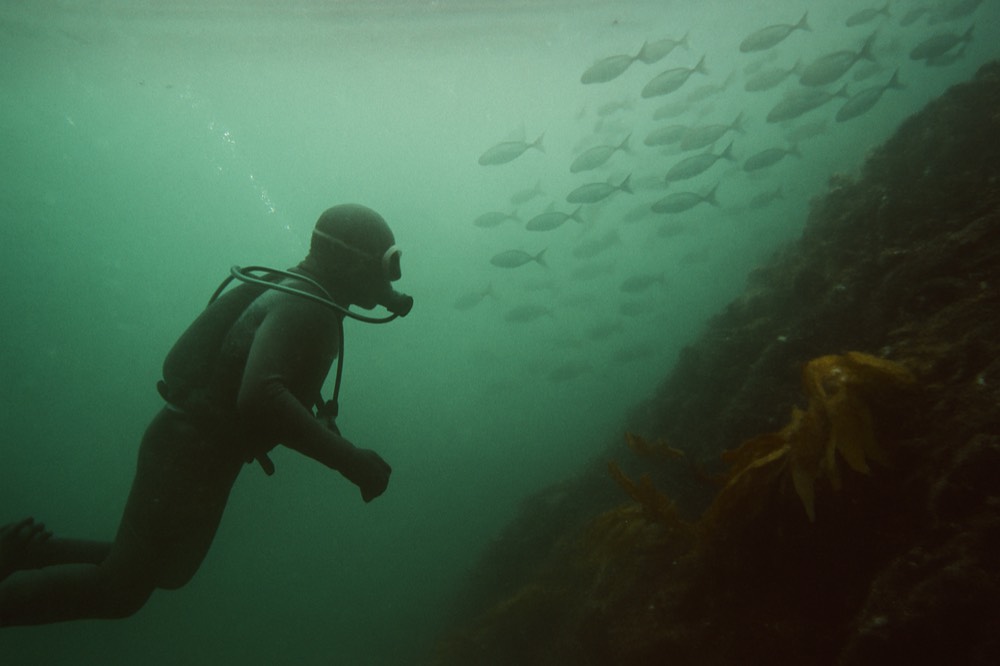
Galapagos dive tourism runs under the 2016 special tourism regulation, RETANP, which caps a day dive tour at 12 passengers per permit and per vessel, and a liveaboard dive cruise at 16. The 2026 visit rules add the behaviour limits: two metres minimum distance from wildlife underwater, diving until 17h00, night diving only at designated sites between 18h00 and 22h00, and a restriction on sunscreens containing oxybenzone or octinoxate during water activities. These are permit conditions on the operator and behaviour rules on you, and both are enforced at the sites.
The passenger caps come from article 33 of the regulation, Decreto Ejecutivo 827, and they are the reason a Galapagos dive boat never feels like a cattle boat even in peak season. The same article caps ordinary cruise permits at 16 passengers and cruise vessels at 64, and it caps day tours and bay tours at 16. A cruise ship's capacity is therefore a stack of permits, not a marketing choice, and a dive day boat is legally a smaller vehicle than a wildlife day boat.
The behaviour rules affect how a dive actually feels. Two metres from wildlife sounds generous until a sea lion decides otherwise, and the rule is on you, not the animal. The sunscreen restriction is the one to plan for before you fly, because many mainstream reef-safe-labelled products still contain one of the two restricted ingredients, and the dive shops on the islands do not always stock alternatives. The full current rules are published by the Dirección del Parque Nacional Galápagos, and the visitor-site list, 176 authorised sites with their permitted activities, is on the same official domain.
There is also a booking mechanic worth knowing: since the 2026 rules, advance reservation through the park's system is compulsory for several high-demand sites, including Las Grietas on Santa Cruz and Volcán Chico and Minas de Azufre on Isabela, and only agencies registered in Galapagos can make those reservations. A dive package operator working those islands has to hold the reservation, which is one more reason to book the package rather than assembling day dives on arrival.
Which Islands And Sites Divers Actually Reach
A land-based diver based on Santa Cruz and Isabela reaches the central-island sites plus Isabela's west coast, which is where the cold upwelling and the big pelagics concentrate. The northern islands of Darwin and Wolf, the most famous shark diving in the archipelago, are reachable only by liveaboard dive cruise, and no day tour or island-hopping package on this roster goes there. Española and Genovesa are likewise cruise or long-hopping territory. So the island choice is really a choice of which underwater world you are buying.
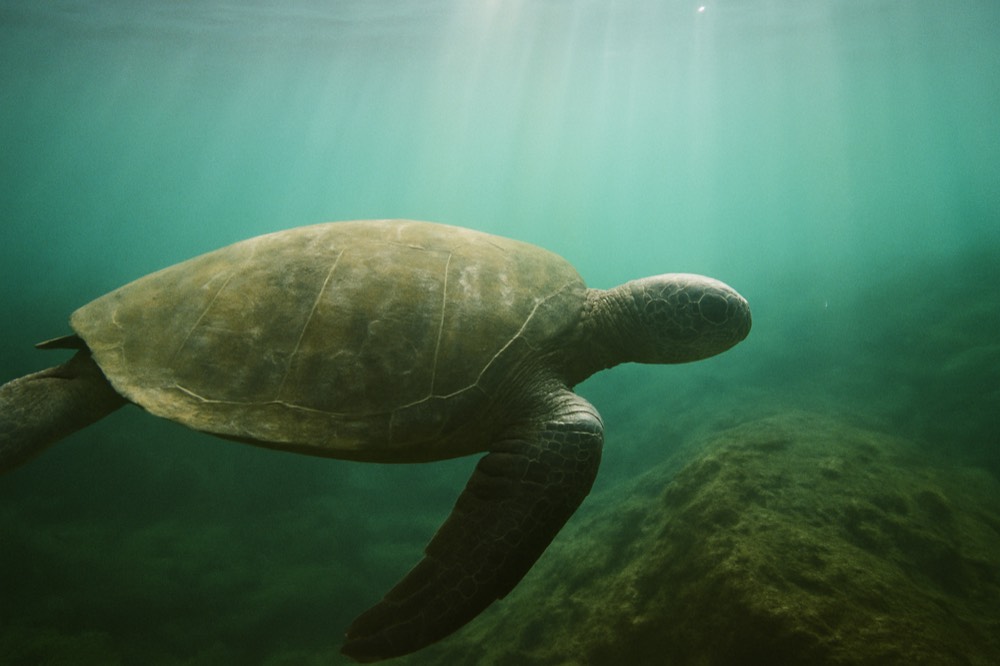
The 2025 monitoring numbers give a sense of what is in the water: the park counted 26,336 marine iguanas, 6,936 sea lions and 336 sea turtles in its annual monitoring, alongside 81 juvenile sharks. The same count registered 391 Galapagos penguins and 656 flightless cormorants, both concentrated around Fernandina and Isabela, which is the stretch of water the western cruises and the Isabela-based dive days serve.
The 7-day diving and hiking tour from $2,600 is the roster's small-group answer to the split loyalties this geography creates. It rates 5 from 3 reviews, includes breakfast and lunch, runs as a small group, and its confirmed stops are San Cristobal, Bartolomé, Santa Cruz, Isabela, Santa Fe, North Seymour and Baltra, which is one of the widest site spreads on the roster. The trade is honest in the title: some days you are underwater, some days you are on a volcano, and the price sits between the pure dive-hopping packages and the cruise tier.
For divers weighing the same trade-off in reverse, more hiking than diving, the question to ask any operator is how many of the week's days are actual dive days versus optional add-ons, because "diving and hiking" can mean either a 50/50 split or two dives bolted onto a walking tour.
Diving Conditions, Seasons And Certification Levels
Galapagos diving is cold-water diving at the equator: sea temperature at Puerto Ayora averages 25.7 °C in March but only 21.5 °C in August and September, because the upwelling that draws the pelagics is exactly what chills the water. The cool season, June to December, is when the southeasterly winds strengthen, and it is both the rougher season at sea and the season of the densest marine nutrients. The hot season, January to May, brings calmer surface conditions and warmer, clearer water, and slightly less of the big-animal traffic.
The seasonal mechanics are documented by the Charles Darwin Foundation's climatology record, which defines the two seasons by wind strength rather than by month alone, and both seasons vary in length from year to year. What no honest source can give you is a wave-height number: the archipelago's own wave buoy is out of service and the two NOAA buoys in Galapagos waters are tsunami buoys, so roughness is written as wind and season, never as a statistic. Travellers who have done both consistently report the inter-island ferries as rougher than the dive boats, which is worth knowing if you are prone to motion sickness.
| Season | Months | Sea temp at Puerto Ayora (1991-2020 mean) | Surface conditions | What it means for divers |
|---|---|---|---|---|
| Hot season | January to May | 24.5 to 25.7 °C | Calmer, warmer, clearer | Thinner suit, easier boats, fewer nutrients |
| Cool season | June to December | 21.5 to 23.5 °C | Stronger winds, rougher transits | 7 mm suit or hood, richer marine life |
On certification, the listings on this roster do not state a minimum level, and that is normal for Galapagos packages: the requirement is set by the dive operator running each day's dives, and current-water experience is valued more highly than card level. If you hold Open Water with few dives in current, say so before booking, because some sites are genuinely demanding and a good operator will steer you to the sheltered ones. The park's rules on distance and behaviour apply regardless of your certification.
What A Galapagos Diving Package Costs, And What Is Never Included
The dive-focused packages on this roster run from $1,545 for 6 days to $2,600 for 7 days small-group, all per person, while the naturalist cruise tier runs from $3,560 to $8,066. None of those prices includes the $200 park entry fee or the $20 transit card, both of which every traveller pays separately. The park fee is collected in cash, in US dollars, by rangers on arrival at Baltra or San Cristobal, and there is no official online prepayment portal for it. The transit card is bought at the CGREG counter at Quito or Guayaquil airport, with free online pre-registration to speed it up.
The inclusions vary more than the prices. The two dive island-hopping packages include breakfast and lunch, leaving dinners and inter-island transit logistics to you depending on the listing's fine print. The 7-day diving and hiking tour also runs on breakfast and lunch. At the cruise tier, the 5-day Seaman Journey from $4,500 includes breakfast, lunch and dinner, and the 7-day La Pinta itinerary from $8,066 sits at the top of the roster's price range, rated 5 across 48 reviews, the largest review pool of any product listed here.
| Package | Price from | Days | Rating and reviews | Meals included |
|---|---|---|---|---|
| 6-Day Hopping for Divers | $1,545 | 6 | 5 from 1 review | Breakfast and lunch |
| 8-Day Hopping for Divers | $1,941 | 8 | 5 from 1 review | Breakfast and lunch |
| 7-Day Diving Plus Hiking | $2,600 | 7 | 5 from 3 reviews | Breakfast and lunch |
| 5-Day Seaman Journey cruise | $4,500 | 5 | No reviews yet | Breakfast, lunch and dinner |
| 7-Day La Pinta cruise | $8,066 | 7 | 5 from 48 reviews | On the listing |
Two recurring extras that travellers report budgeting for on top of any package price: wetsuit and snorkel-gear rental, which is sometimes listed as optional but effectively needed, and tips for crew and guides. Neither is a hidden fee in the dishonest sense, but both push the real total above the advertised base. The full cost picture, including flights from the mainland, is laid out in the Galapagos package cost breakdown.
How To Choose Between The Diving Packages On The Roster
Choose the 6-day dive package if budget is the constraint and two islands of diving satisfies you, the 8-day version if you want buffer days and San Cristobal as well, and the 7-day small-group diving and hiking tour if you want the widest site spread and a mixed week. Choose a cruise only if snorkelling and land wildlife are the real priority, because a cruise's confirmed program rarely includes dives. The decision is about what you want to be doing on day four, not about which product is better.
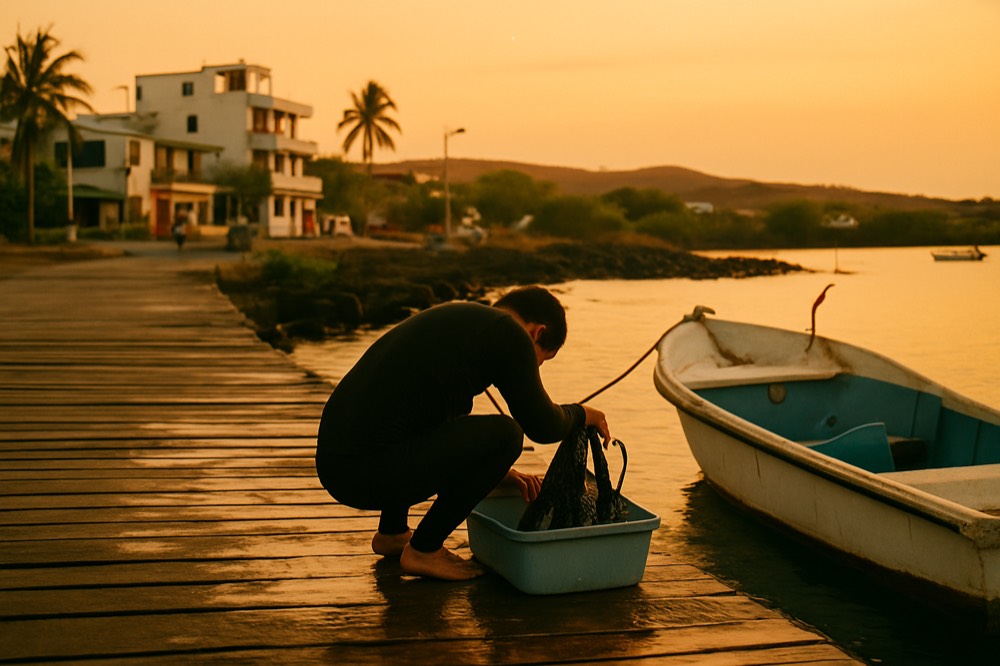
The 8-day island-hopping package for divers is the one this site points most divers toward, and the reasons are structural rather than sentimental. Its confirmed stops, San Cristobal, Santa Cruz, Isabela, North Seymour and Baltra, cover the central islands and the west coast, which is where the penguin and cormorant counts concentrate. Eight days is long enough that a blown-out dive day or a rough ferry crossing does not sink the trip. And at $1,941 per person with breakfast and lunch included, it costs roughly a quarter of the cruise tier while keeping you in the water more often.
Against that, the cruise format wins on reach, not on diving. If Fernandina is the ambition, the naturalist cruises are the products that go there, and the trade-off is explicit: you will snorkel the landings and watch the western islands from the deck, and any dive will be an exception to the itinerary rather than its purpose. Divers who want both sometimes split the trip, a few days of dive hopping plus a short cruise, and the island hopping packages guide covers how that split works in practice.
The last filter is season. If you can only travel June to December, accept the thicker wetsuit and the rougher transits, and buy the richer water. If you travel January to May, prioritise calm surface days for the dive legs and consider whether the cruise half of a split trip can carry the wildlife weight. Either way, book the dive package before the flights: dive slots at the permitted sites are the scarce commodity, not hotel rooms, as the cruise versus land package comparison explains from the other direction.
Whatever you choose, hold it with an eye on the cancellation terms rather than the star rating, because on a roster this small the ratings are thin by nature. The listings that state free cancellation say so, and the rest should be read as fixed once booked. This site, Galapagos Islands Tour Packages, keeps the roster prices on a monthly refresh cycle, so treat every figure here as the current listed price and confirm it on the operator's live listing before you commit.
Common Questions About Galapagos Scuba Diving Tours
Can You Scuba Dive In The Galapagos Without A Liveaboard?
Yes. Day dive tours run from Santa Cruz and San Cristobal, capped at 12 passengers per permit, and multi-day dive-focused island-hopping packages such as the 6-day and 8-day trips on this roster build scheduled dives into a hotel-based week. What you cannot reach without a liveaboard dive cruise are Darwin and Wolf in the far north.
How Many Passengers Are Allowed On A Galapagos Dive Tour?
A day dive tour is capped at 12 passengers per permit and per vessel under the 2016 tourism regulation, RETANP. A liveaboard dive cruise is capped at 16 per permit and per vessel. These are legal limits, not operator choices.
Is The Galapagos Park Fee Included In A Diving Package?
Almost never. The $200 entry fee for foreign adults is paid in cash, in US dollars, to park rangers on arrival at Baltra or San Cristobal airport, and there is no official online prepayment portal. The $20 transit control card is also separate, bought at the CGREG counter in Quito or Guayaquil after free online pre-registration.
What Certification Do I Need To Dive The Galapagos?
The listings on this roster do not state a minimum certification, and the requirement is set by each dive operator. Cold water and current experience matter more than card level, so declare your experience honestly when booking and expect to be steered to sheltered sites if you are newly certified.
When Is The Best Season For Galapagos Diving?
The cool season, June to December, brings stronger winds, rougher transits and colder water, averaging 21.5 °C at Puerto Ayora in August and September, but also the richest marine life. The hot season, January to May, is calmer and warmer, averaging up to 25.7 °C in March. Neither season is universally better; it depends whether you prioritise comfort or big-animal density.
Are Galapagos Diving Packages Worth It Compared With Booking Day Dives Locally?
A package buys guaranteed dive days, coordinated inter-island logistics and most meals, from $1,545 for 6 days on this roster. Booking day dives on arrival can be cheaper per dive but is riskier in peak season, since dive slots at permitted sites are the scarce resource, and since 2026 several high-demand sites require advance reservations that only Galapagos-registered agencies can make.