How To Find Real Galapagos Cruise Deals
Galapagos discounting runs backwards from most cruise markets. Boats hold their rates until roughly six weeks out, then dump remaining cabins, so the genuine deal window is narrow and sits close to departure. This guide explains the mechanics, the real numbers, and the extras that eat the discount.
Short answer
Real Galapagos cruise deals appear close to departure, typically inside six weeks, when operators release unsold cabins rather than sail them empty. Published package prices on this site run from $450 for a four-day bay tour to $8,066 for a seven-day cruise, and last-minute discounts bite hardest at the expensive end.
Galapagos cruise pricing behaves unlike almost any other cruise market on earth. In the Caribbean or the Mediterranean, operators discount early to fill ships months ahead. In Galapagos, the park fixes itineraries by law, permits cap how many passengers a vessel may carry, and operators know their berths are scarce, so they hold rack rates until the last plausible moment. The result is a market where the best prices sit dangerously close to the departure date, and where the advertised price is only the start of what you pay.
This guide walks through how that discounting actually works, what a discounted cabin costs in practice, and where the savings go if you forget the fees. It also covers the honest alternative: land-based packages, which four out of five Galapagos visitors now choose, frequently undercut discounted cruise cabins on price. For the broader cruise landscape, see our Galapagos cruise packages guide, and for the full cost picture including flights and fees, the Galapagos package cost breakdown.
How Galapagos Cruise Discounting Actually Works
Galapagos boats discount backwards: they hold published rates until roughly six weeks before departure, then release unsold cabins at reduced prices rather than sail with empty berths. That means early birds pay more, not less, and the traveller flexible enough to book late captures the saving. The window is narrow, and it rewards people who can move fast.
The mechanics behind this are regulatory, not cultural. A Galapagos cruise itinerary is a legal document: the park authorises each vessel's day-by-day route, and the approved itinerary "may not be modified under any concept" without express park authorisation, a condition spelled out in the park's own resolutions. Only vessels under 20 passengers may change itinerary at all, and larger ships only in proven force majeure. An operator therefore cannot chase demand by rerouting a quiet departure toward a popular island. The only lever left is price.
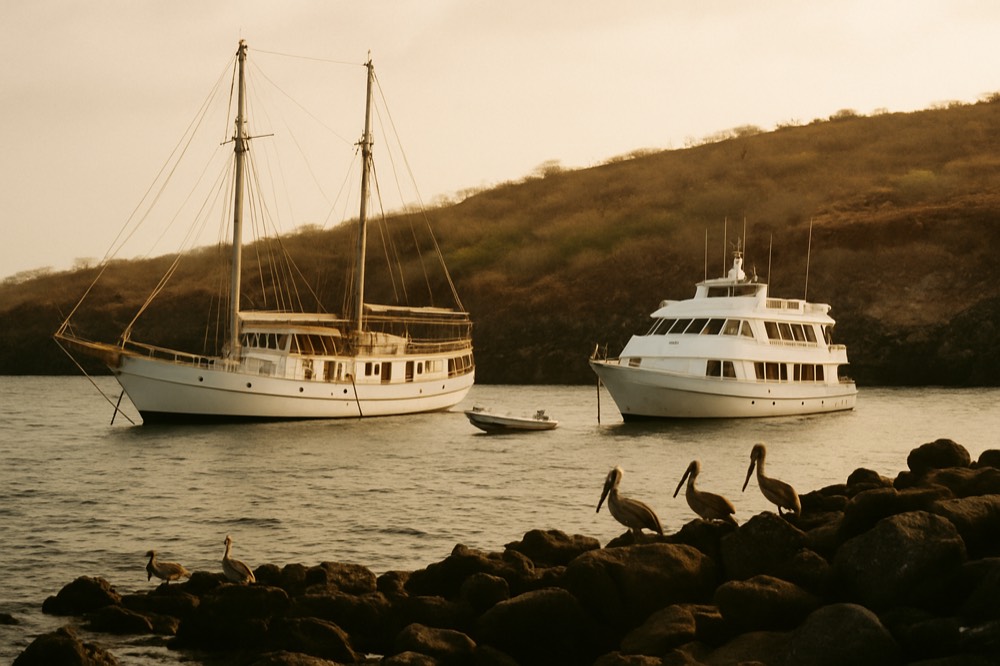
Permit structure reinforces the scarcity. Under the special tourism regulation for protected areas, a navigable cruise permit covers at most 16 passengers and a cruise vessel at most 64. A 64-berth ship is running a stack of four permits, each tied to fixed dates and sites. When a departure is half empty six weeks out, the operator's marginal cost of filling a cabin is low, and the discount can be steep, but the operator will never discount the whole season early, because the permits are already paid for and the dates are already locked.
There is a second effect worth knowing. Because itineraries are fixed by law and cannot be swapped, a "deal" on a Galapagos cruise is always a deal on one specific route on one specific week. You are not shopping for a generic cabin, you are shopping for a dated product with a shelf life, which is exactly why prices move the way they do.
When The Deal Window Opens
The practical deal window opens roughly six to eight weeks before a departure date and narrows as the date approaches. Operators release remaining cabins once early bookings stall, and prices drop in steps rather than all at once. Inside two weeks, inventory is either gone or held for walk-in negotiation in Puerto Ayora, which carries real risk to your dates.
Timing also interacts with the calendar of demand. Park statistics show foreign arrivals peak between March and April, Ecuadorian arrivals peak in August, and September is the annual trough for visitors. September departures are consequently the most likely to be discounted, because demand is at its lowest exactly when the boats still have to sail. A traveller who can take September, or the shoulder weeks either side of it, is shopping in the softest part of the market.
The type of cabin matters as much as the week. Traveller reports repeatedly flag lower-deck cabins near the engine as the disappointing end of a small ship: noise, fuel smell, poor ventilation. When an operator dumps inventory, the discounted cabins are disproportionately the ones nobody wanted at rack rate. A deal on a lower-deck cabin is a real saving, but read the deck plan before you celebrate, and prefer upper-deck or midship berths where the listing allows a choice.
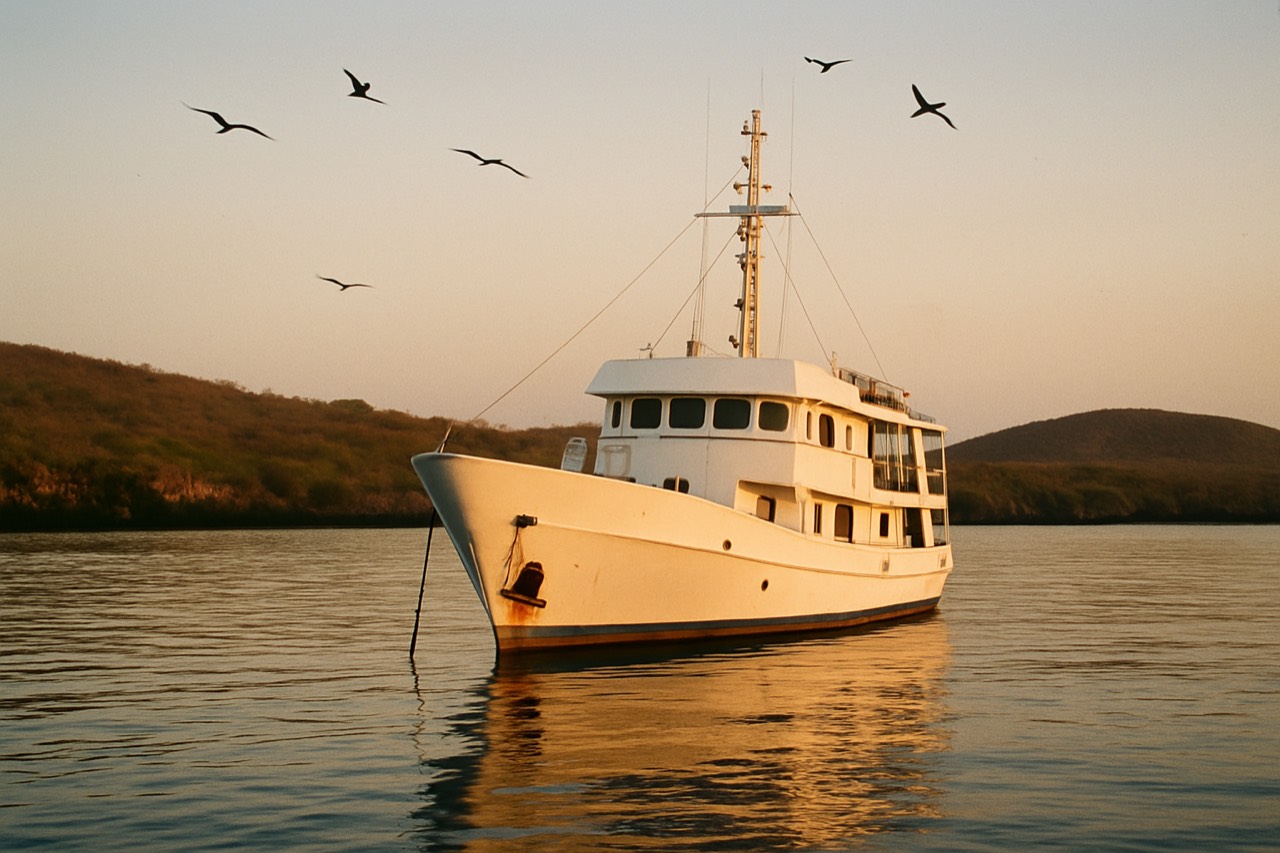
If you are weighing what is genuinely on offer right now, these three packages bracket the market: a private small-ship cruise at the flexible end, a top-tier seven-day itinerary at the rack-rate end, and a short bay tour that shows how little a Galapagos package can cost when you do not need a liveaboard at all.
What A Discounted Cabin Really Costs
Published Galapagos package prices on this site span $450 to $8,066 per person, and the median land-based package sits far below the headline cruise figures. A genuine cruise deal usually means 20 to 40 percent off a rack rate between $3,560 and $8,066, landing the discounted cabin in the $2,500 to $4,500 range. Below that, you are usually looking at a land-based tour, not a cruise.
The cruise end of the roster is compact enough to read at a glance. The seven-day La Pinta itinerary, rated 5.0 across 48 reviews, runs from $8,066 per person. The seven-day Isabela II Natural Selection Journey, 4.9 across 31 reviews, runs from $6,137. The five-day Isabela II western route, 5.0 across 24 reviews, starts at $4,604. The five-day Seaman Journey, which has no reviews yet, starts at $4,500. And the private five-day cruise, 4.0 from a single review, starts at $3,560 with breakfast, lunch and dinner included.
| Package | Days | From price (pp) | Rating | Meals |
|---|---|---|---|---|
| 7-Day La Pinta Cruise | 7 | $8,066 | 5.0 from 48 reviews | varies by listing |
| 7-Day Isabela II Natural Selection Journey | 7 | $6,137 | 4.9 from 31 reviews | varies by listing |
| Isabela II Western Route, small group | 5 | $4,604 | 5.0 from 24 reviews | varies by listing |
| 5-Day Seaman Journey, full board | 5 | $4,500 | no reviews yet | all meals included |
| Private 5-Day Cruise, full board | 5 | $3,560 | 4.0 from 1 review | all meals included |
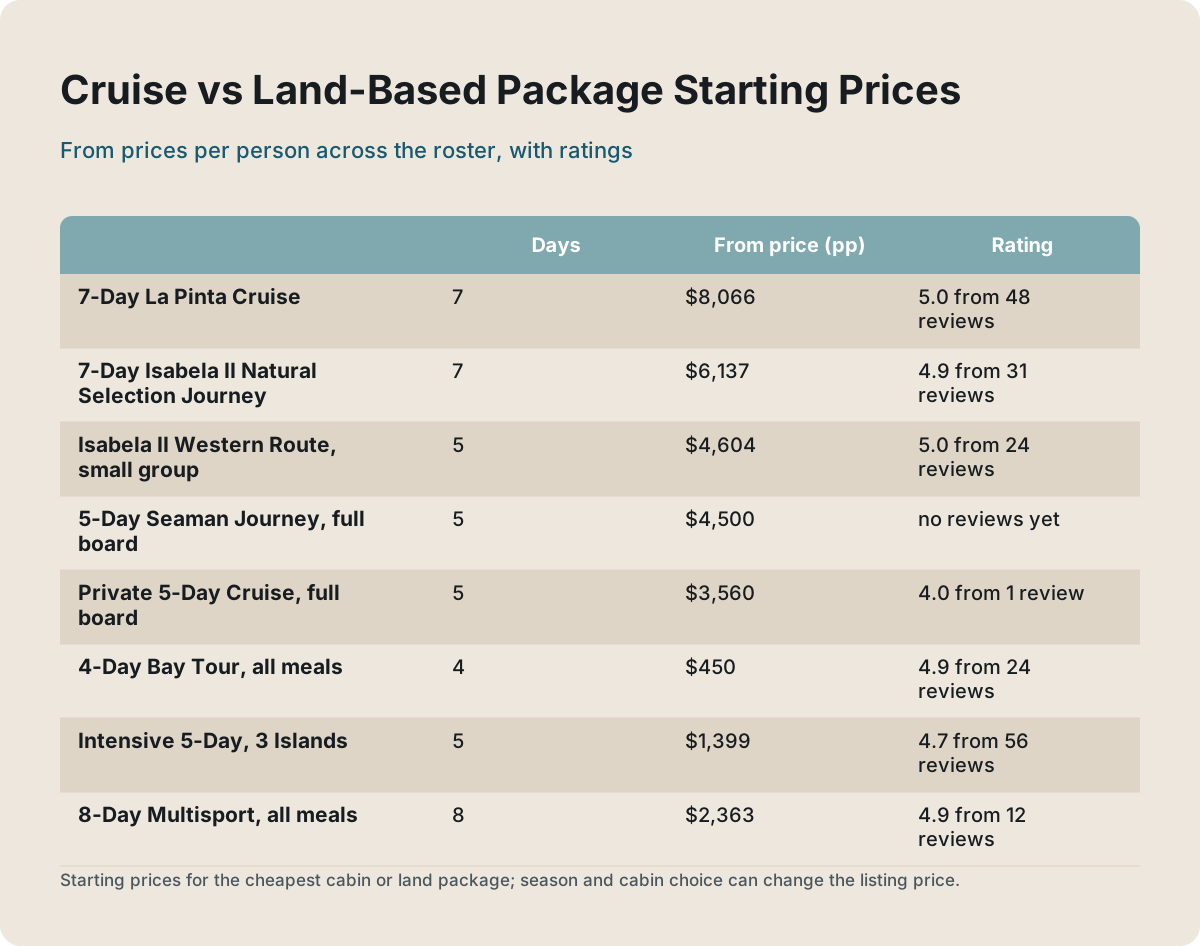
Two honest caveats belong on any price table. First, these are starting prices for the cheapest cabin on the departure, and the listing price moves with the season. Second, on 33 of the 50 packages in our data, the listing simply does not state whether the $200 park entrance fee is included, and on 16 it does not state whether flights are included. "Not stated" is not the same as "not included", but it does mean you must ask before comparing two quotes, or the cheaper quote will quietly become the more expensive one.
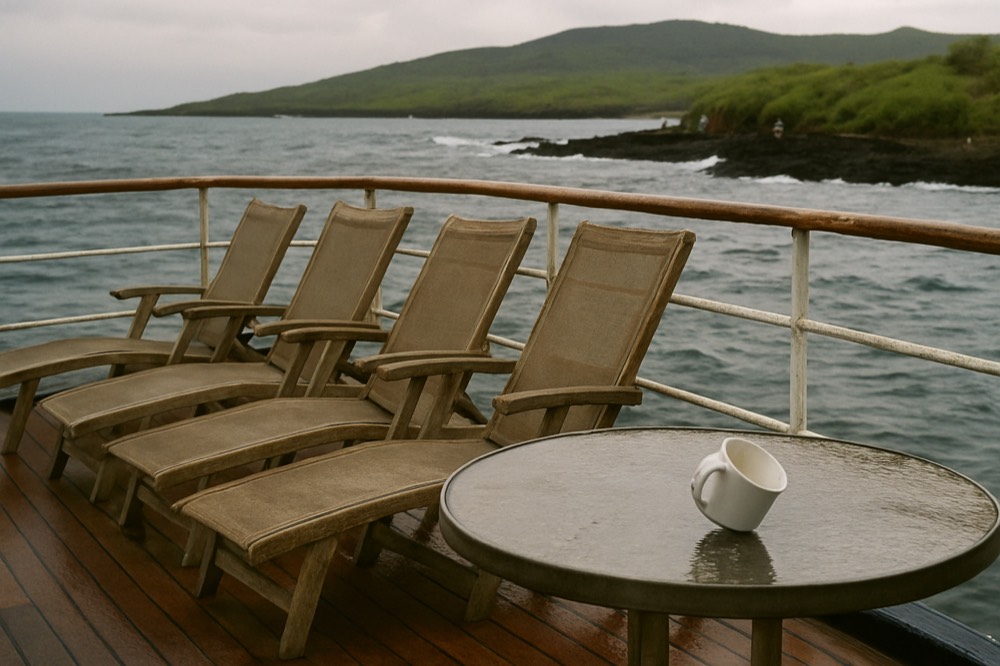
The park fee itself is verified and worth knowing precisely: foreign adults over 12 pay US $200 in cash, on arrival, to park rangers at Baltra or San Cristóbal airport, per the official park fee schedule. There is no official online prepayment portal for it. The transit control card is another $20 per person, bought at the government counter at Quito or Guayaquil airport, with free online pre-registration available to speed up the counter visit. Budget $220 per person in cash on top of any package price unless the listing explicitly says otherwise.
Last-Minute Deals From Puerto Ayora: Worth The Risk?
Yes, but only for flexible travellers. Walking into a Puerto Ayora agency a few days before departure can produce a cabin below any online price, because local operators would rather sell a berth cheaply than sail it empty. The risks are real: your preferred itinerary may not exist that week, quality boats fill first, and what remains is often the inventory nobody else wanted.
Traveller reports on this trade are consistent. People who arrived without bookings and negotiated locally sometimes saved substantially, but others found their first-choice routes simply unavailable on their dates, or found that the cheap cabins were lower-deck berths with the engine-noise problems described earlier in this guide. If your dates are fixed around school holidays or a limited holiday window, booking the boat you actually want, at a fair price, beats gambling on the leftovers.
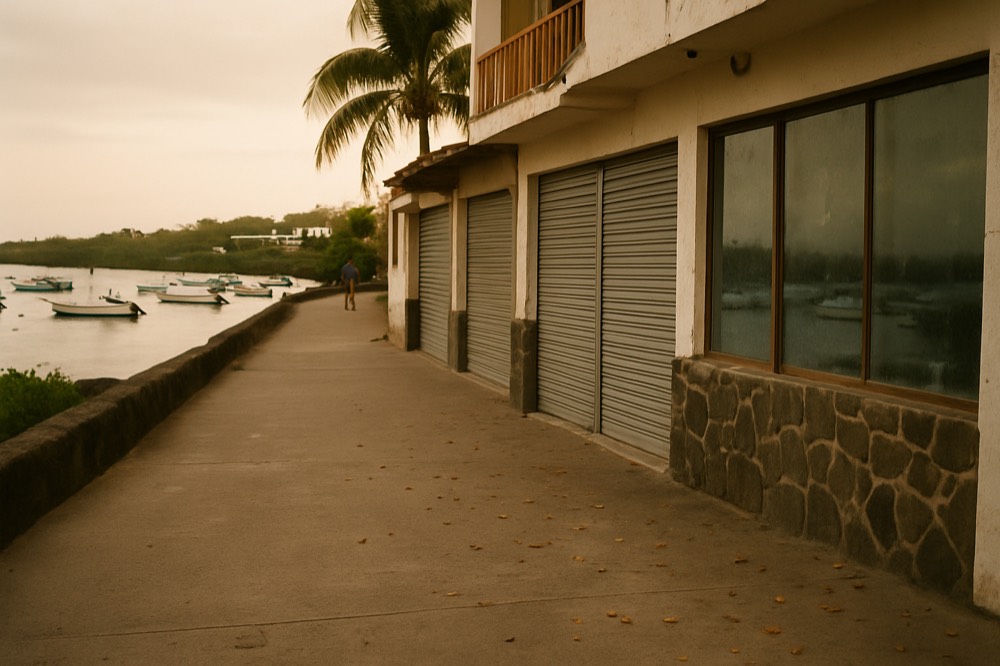
There is also a middle path that captures most of the last-minute saving with far less risk: book a land-based package in advance, then add a short cruise or day trips locally once you are on the islands. Because 79 percent of Galapagos visitors now stay on land rather than on board a vessel, the land-based market is competitive and priced accordingly. The same park data shows this split held steady across both 2024 and 2025, so it is a structural feature of the market, not a passing trend.
One small-ship option that sits in the deal conversation is the private five-day cruise, which starts at $3,560 per person with all meals included and a 4.0 rating from one review. Because it is a private charter product, the price moves with group size rather than with a fixed cabin inventory, which makes it worth a direct enquiry when your dates are set. You can read more on the private five-day cruise page or Check availability to see current dates.
Cheaper Without A Cruise: Land-Based Packages That Undercut Deals
A land-based package frequently beats a discounted cruise cabin on price, sometimes by a wide margin. Roster land packages start at $450 for four days and cluster between $689 and $2,400 for four to ten days, while even a discounted cruise cabin rarely lands below $2,500. The trade is access: land tours reach the inhabited islands and nearby sites, but not the remote western visitor sites only a liveaboard reaches.
The arithmetic is not subtle. The four-day Discovery Premium Bay Tour starts at $450 per person with all meals included, rated 4.9 across 24 reviews. The intensive five-day, three-island land package, the most-reviewed product in our data at 4.7 across 56 reviews, starts at $1,399. An eight-day multisport adventure with all meals included starts at $2,363, rated 4.9 across 12 reviews. Even the ten-day island-hopping package, 5.0 from 4 reviews, starts at $2,287, which is less than many five-day cruises. More of these guides are collected on Galapagos Islands Tour Packages.
| Land-based package | Days | From price (pp) | Rating |
|---|---|---|---|
| 4-Day Bay Tour, all meals | 4 | $450 | 4.9 from 24 reviews |
| 4-Day Essential Budget Tour | 4 | $865 | 5.0 from 4 reviews |
| Intensive 5-Day, 3 Islands | 5 | $1,399 | 4.7 from 56 reviews |
| 8-Day Multisport, all meals | 8 | $2,363 | 4.9 from 12 reviews |
| 8-Day Budget Expedition, small group | 8 | $2,400 | 5.0 from 17 reviews |
| 10-Day Island Hopping | 10 | $2,287 | 5.0 from 4 reviews |
The catch is geographic, and it is the single most repeated point in traveller comparisons. Cruises reach remote sites such as Fernandina and the western shores of Isabela that no day trip from a hotel can reach. Travellers who have done both formats argue about it endlessly, and the honest summary of their views is that cruises win on wildlife density and remote access, land-based wins on flexibility, cost and the feel of actually living in the islands. Our cruise versus land package comparison works through that trade in detail.
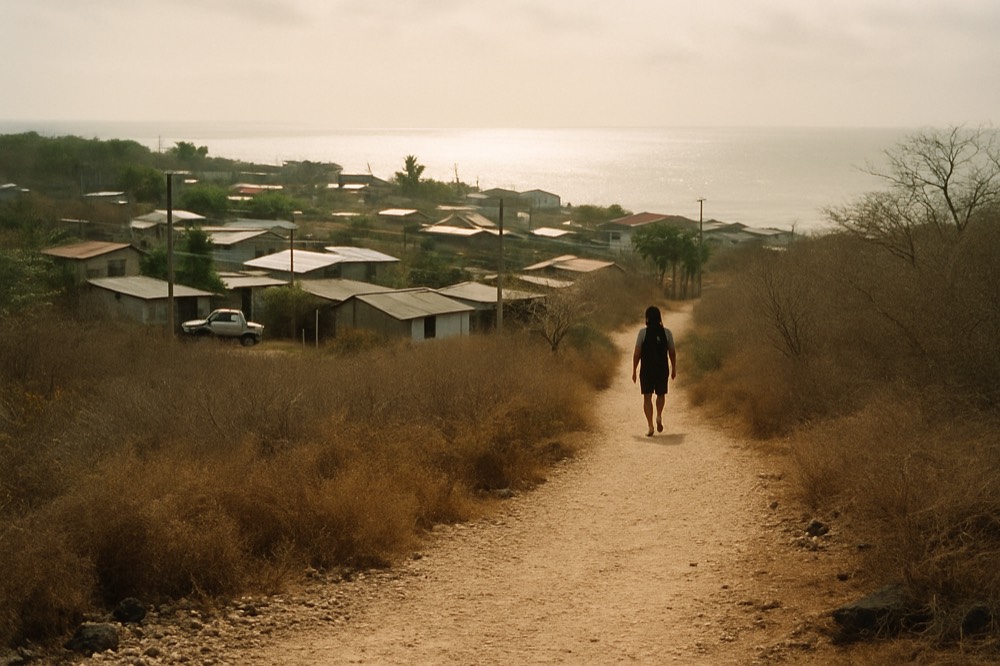
For deal hunters, the eight-day budget expedition is instructive. It is a small-group product starting at $2,400, rated 5.0 across 17 reviews, which is a larger review pool than most of the cruise roster can show. It does not include meals, which is why the sticker price sits below the multisport alternative, but it demonstrates the shape of the market: at the price of a discounted cruise cabin you can buy a full week on land with a guide.
The Fees And Extras That Eat The Discount
Budget $220 per person in cash on arrival for the park fee and transit card, plus flights, tips, and rental gear, none of which appear in package sticker prices. On a cheap cabin those extras can add 30 percent or more to the real total, and on 33 of 50 listings the park fee's inclusion is simply not stated. The discount you negotiated can evaporate in the arrival hall if you did not price these in.
The itemised list is short and mostly verified from official sources. The park entrance fee is $200 for foreign adults, $100 for children under 12, payable in cash US dollars to rangers at the airport, with no online prepayment option. The transit control card is $20 per person, bought at the government counter at Quito or Guayaquil before check-in. Flights from the mainland are separate on most packages. Tips for crew and guide are customary and budgeted by most travellers. Wetsuit and snorkel rentals are sometimes described as optional when they are effectively expected.
| Extra | Typical cost | When paid | Included in package price? |
|---|---|---|---|
| Park entrance fee, foreign adult | $200 | cash on arrival | not stated on most listings |
| Transit control card | $20 | mainland airport counter | not stated on most listings |
| Mainland flights to Galapagos | varies by season | at booking | not stated on 16 of 50 listings |
| Tips, crew and guide | customary | on board | never |
| Wetsuit and snorkel rental | set by operator | on board | sometimes, check the listing |
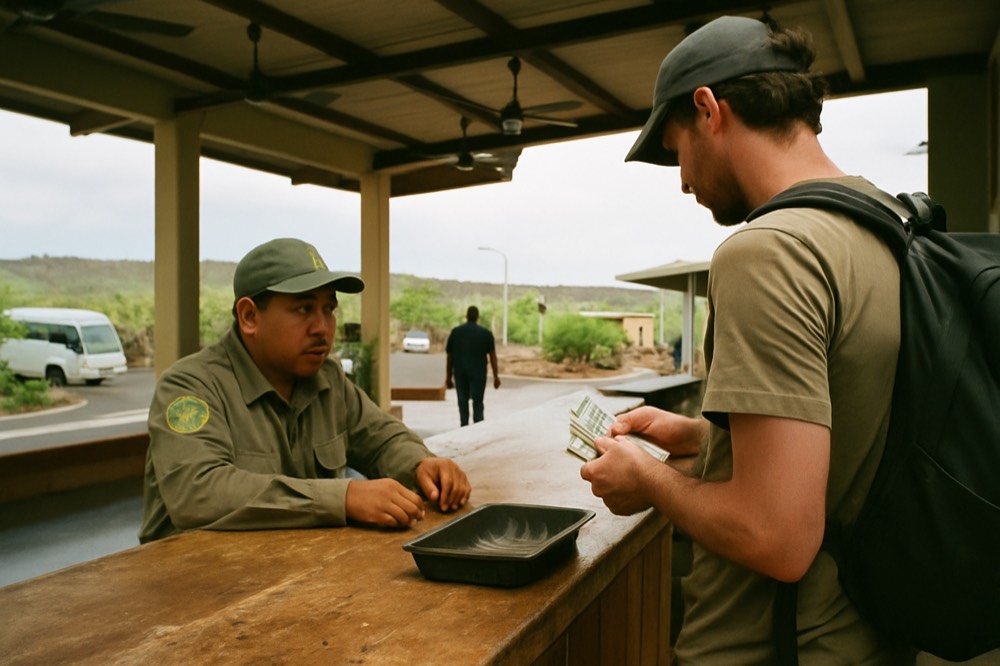
The cash requirement deserves its own sentence: the fee is collected in physical US dollars at the airport, so arrive with clean notes, because cards are not reliably accepted. The official arrival guidance also recommends reaching the mainland airport three hours before your flight, since biosecurity inspection of every bag adds a step that does not exist on ordinary domestic routes.
One way to blunt the extras is to pick a package that bundles them. The four-day Essential Budget Tour, starting at $865 with breakfast and lunch included, is the kind of product where the operator has already assembled the transfers and the guided days, leaving you with only the two airport fees and your flights. It carries a 5.0 rating from 4 reviews, a small pool reported honestly rather than dressed up.
How To Judge A Deal: Red Flags And Green Flags
A real Galapagos deal is a named vessel, a dated itinerary and a stated cabin class at a price visibly below the operator's own rack rate. A fake deal is a vague "cruise from $X" with no ship name, a price that excludes fees the listing does not mention, or a discount measured against an inflated anchor price. Judge the boat, the route and the cabin, in that order.
The vessel matters because Galapagos boats vary enormously in age, condition and layout, and because itinerary changes are legally restricted. A deal on a ship you have not researched is not a deal, it is a lottery. Traveller reviews repeatedly recommend checking the specific boat rather than trusting photographs, and warn that substitutions close to departure do happen. Because only vessels under 20 passengers may change itinerary at all, a large-ship booking is also a commitment to that exact route.
| Green flag | Red flag |
|---|---|
| Named vessel with a deck plan you can read | "Cruise" with no ship name in the listing |
| Fixed itinerary listing its visitor sites | Vague "western islands" routing with no sites |
| Price clearly marked per person | Price that might be per group, or per cabin |
| Meals and inclusions itemised | Inclusions you must ask about one by one |
| Rating printed with its review count | A bare rating with no pool size |
| Free cancellation stated | Deposit terms you cannot find |
The review-count point is not pedantry on this market. Across the 50 packages in our data there are 381 reviews in total, and eight products have no reviews at all. A 5.0 from 3 reviews is honest information, not proof of excellence, and a package with no reviews should be approached as an unknown, priced accordingly. Print the count beside any rating you compare, because a bare number invites you to imagine a bigger pool than exists.
Booking Tactics That Protect Your Money
Book through the operator's live listing rather than an untraceable channel, keep every promise in writing, and prefer products with stated free cancellation when your dates carry any risk. Confirm in one email which of the $220 in airport fees, the flights and the meals are included. Then carry clean US dollar cash for the park fee, because no card will save you at the ranger counter.
Free cancellation is worth real money on this market because the deal window sits so close to departure. Several packages on the roster state it explicitly, including a four-day small-group tour with free cancellation from $987, a private seven-day hopping tour with free cancellation from $1,650, rated 4.9 across 25 reviews, and a four-day Santa Cruz and Bahia tour with free cancellation from $689. When two products are otherwise close, the cancellation term is the tiebreaker.

A final tactic is simply to ask. Because itineraries are fixed and permits are prepaid, an operator with a thin departure has a genuine incentive to fill it, and an email asking about a specific date sometimes surfaces a price that never appears on a public page. The worst outcome is a "no", and the best outcome is a cabin at a price the six-week window would have delivered anyway. For the wider context on package pricing tiers, our budget Galapagos packages guide covers the low end of the market in detail.
Before the closing questions, here is the three-package shortlist again: the private five-day cruise for small-group flexibility, the seven-day La Pinta itinerary for the full liveaboard experience, and the four-day bay tour for the lowest-cost way onto the water.
Common Questions About Galapagos Cruise Deals
When Do Galapagos Cruises Get Discounted?
Discounting runs backwards from most cruise markets: operators hold rack rates until roughly six weeks before departure, then release unsold cabins rather than sail them empty. The genuine deal window is narrow and sits close to the departure date. September departures are the most likely to be discounted, because September is the annual trough in visitor arrivals.
How Much Can You Save On A Last-Minute Galapagos Cruise?
A meaningful discount typically lands 20 to 40 percent off rack rates between $3,560 and $8,066 per person, which puts a discounted cabin in the $2,500 to $4,500 range. Savings below that level usually mean you are looking at a land-based package rather than a liveaboard cabin. Always add the $220 per person in airport fees and your flights before comparing totals.
Is It Cheaper To Book A Galapagos Cruise In Puerto Ayora?
It can be, because local agencies sell leftover berths cheaply rather than let them sail empty. The risks are that your preferred itinerary may not run that week, the best boats fill first, and the remaining cabins are often lower-deck berths near the engine. Travellers with fixed dates generally do better booking the boat they actually want in advance.
Do Galapagos Package Prices Include The Park Fee?
Usually not, and on 33 of 50 packages in our data the listing simply does not say. The park entrance fee is $200 for foreign adults, paid in cash US dollars to rangers on arrival at Baltra or San Cristóbal, and there is no official online prepayment portal. The $20 transit control card is separate again. Confirm inclusion in writing before comparing quotes.
Are Land-Based Packages Cheaper Than Discounted Cruises?
Often yes. Land-based packages on this roster start at $450 for four days and cluster between $689 and $2,400 for four to ten days, while discounted cruise cabins rarely land below $2,500. The trade is access: land tours reach the inhabited islands and nearby sites, but only a liveaboard reaches the remote western visitor sites such as Fernandina.
What Should I Check Before Booking A Discounted Galapagos Cabin?
Check the named vessel and its deck plan, the fixed itinerary and its visitor sites, the cabin class on offer, and whether the price is per person. Discounted inventory is disproportionately lower-deck cabins near the engine, which draw repeated traveller complaints about noise and fuel smell. Prefer upper-deck or midship berths, and print the review count beside any rating you rely on.